
An Introduction to... Dumplings
In this feature, which forms part of an ongoing series, cookbook enthusiast and food writer Amanda Carroll offers an in-depth guide to the most international of foods, the dumpling.
By Amanda Carroll
From delicate parcels filled with savory ingredients to soft spoonfuls of dough simmered in stew, dumplings take many forms. Filled varieties such as Japanese gyoza and Polish pierogi enclose their fillings in dough, while unfilled varieties, including British suet dumplings, make the dough itself the focus. Dumplings can be sweet or savory, and steamed, boiled, fried, or baked. Across cultures, they offer everyday comfort and a way to mark special occasions. Explore some of the world’s dumpling traditions through these recipes and collections, with plenty of inspiration for your own kitchen.
Asian Dumplings
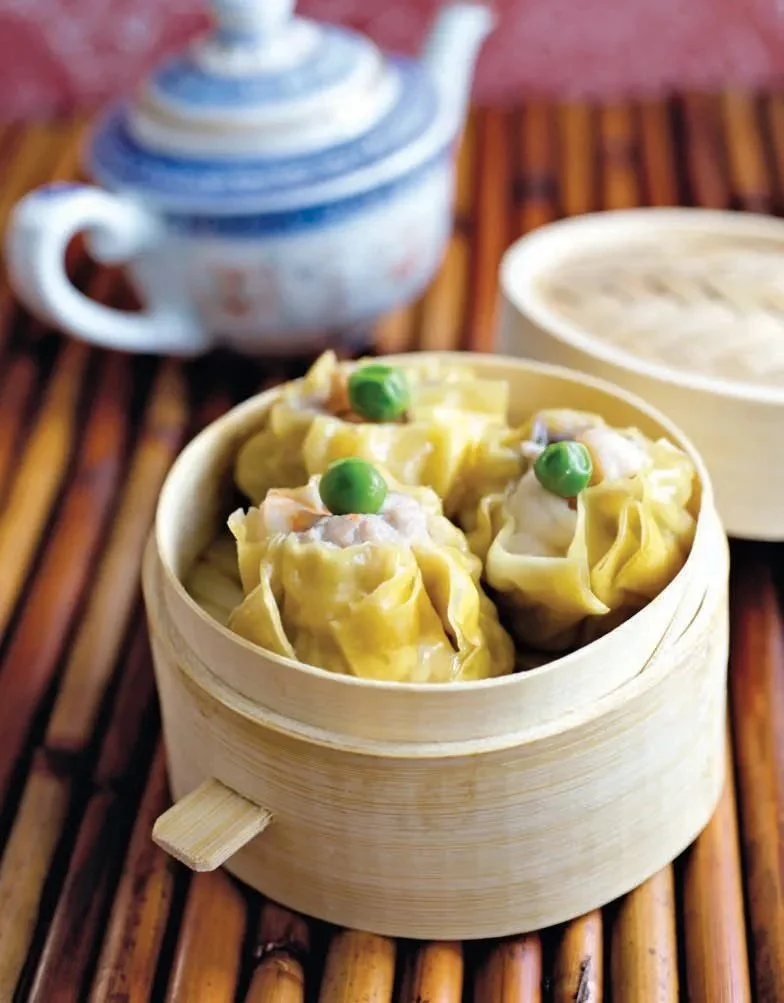
Asia is home to a wide variety of dumplings, with doughs, fillings, and cooking methods that vary by region. Xiao long bao, also known as soup dumplings, are closely associated with Shanghai. In Vietnam, bánh bột lọc are made with tapioca starch and may be steamed in banana leaves or boiled. Siu mai are a Cantonese dim sum favorite. Korean mandu come with a variety of fillings and preparations. Momos are popular in Tibetan and Nepali cuisines, where they are often steamed and served with dipping sauces. For something sweet, try narikolor malpuwa, coconut dumplings from Assam, India, flavored with cardamom.
View the full Asian dumpling collection.
Eastern European Dumplings
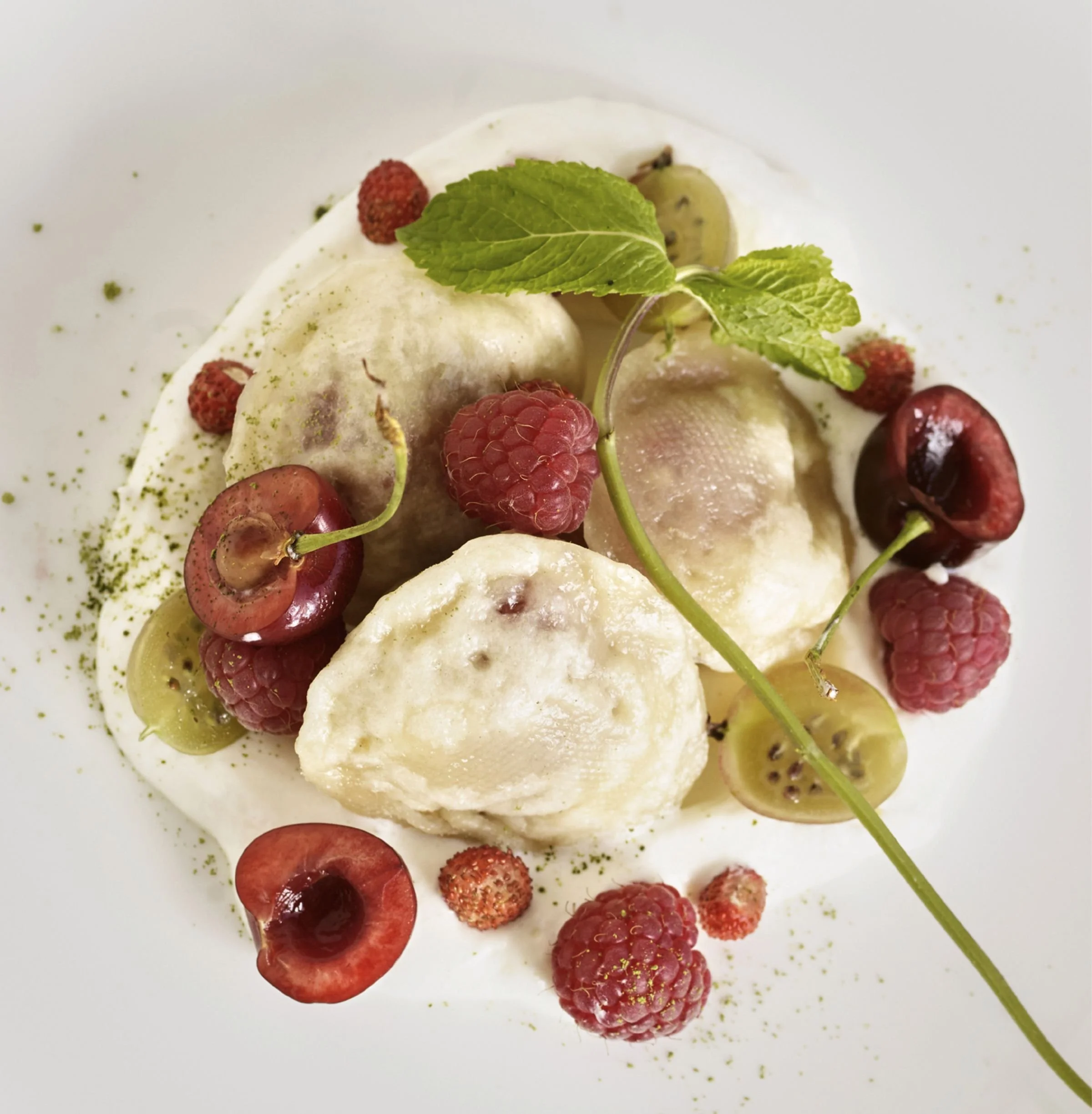
Central and Eastern Europe have a long tradition of dumpling-making. Try Hungarian dumplings served with bacon or alongside a hearty goulash. Poland is known for pierogi, filled dumplings with savory fillings such as potato and cheese or sauerkraut and mushrooms, as well as sweet fruit fillings. Closely related Ukrainian varenyky offer a similar variety, with savory versions featuring ingredients such as cabbage or cheese. For a sweet variation, fill them with sour cherries and serve with sour cream. Another Polish specialty is uszka, small filled dumplings often served in beet soup. Kopytka are unfilled Polish potato dumplings resembling Italian gnocchi. Russian pelmeni are small, boiled dumplings traditionally filled with meat and onions, though mushroom versions offer an alternative. Lithuanian cepelinai are large, oval potato dumplings with a variety of fillings, often served with sour cream and bacon. Czech knedlíky include bread and potato varieties, with both sweet and savory versions. For another sweet option, try knedle, fruit-filled dumplings found in Poland and neighboring countries.
View the full Eastern European dumpling collection.
Italian Dumplings
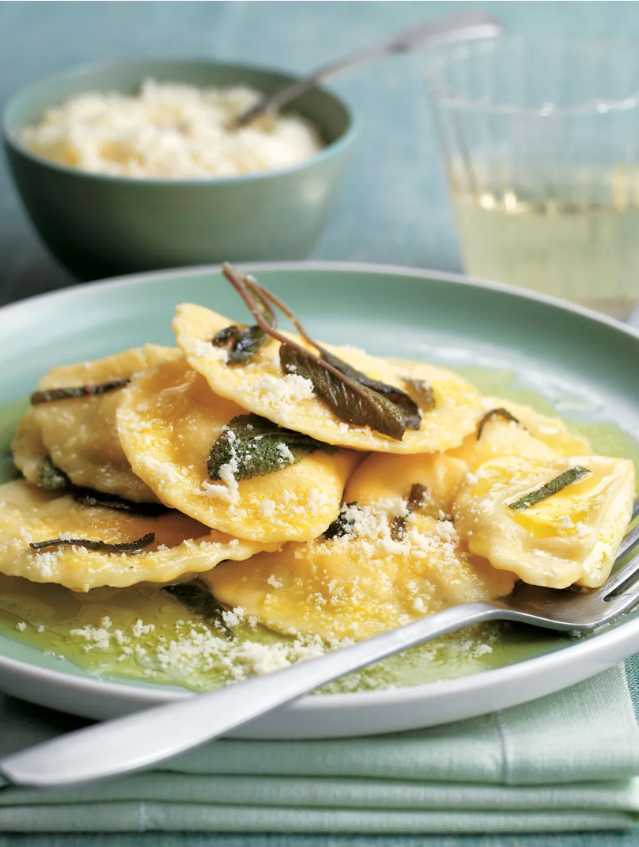
Italy’s dumpling traditions include both filled pasta and unfilled dumplings. Ravioli and tortelli share the same basic idea as pierogi: a layer of dough enclosing a flavorful filling. Try spinach and ricotta ravioli or tortelli di zucca, filled with pumpkin. For an unfilled variety, potato gnocchi combine cooked potato with flour to create tender little dumplings. They can be dressed with pesto, tomato sauce, or butter and sage, offering plenty of possibilities for a comforting meal. Another unfilled option is gnudi with pea shoot pesto and asparagus, delicate dumplings made with ricotta and semolina. Potato dumplings can also be adapted for gluten-free cooking, as in this recipe for gluten-free gnocchi.
View the full Italian dumpling collection.
Jewish Dumplings
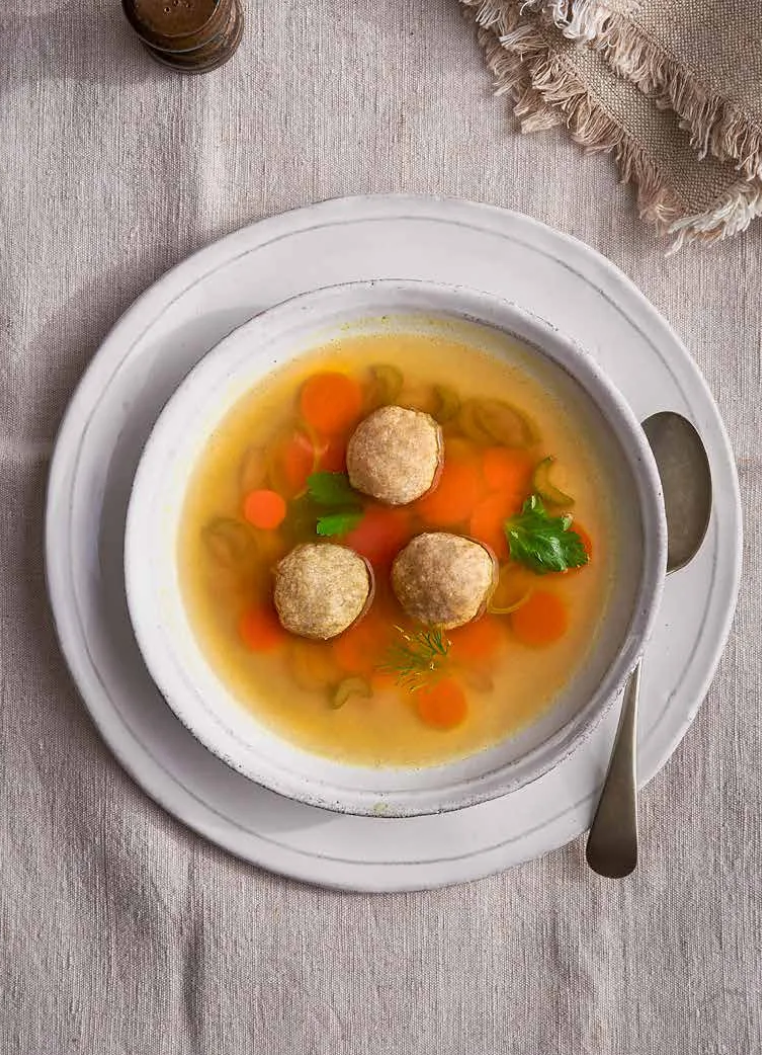
Matzo balls are among the most recognizable Jewish dumplings and are especially associated with Ashkenazi Jewish cooking, with roots in Central and Eastern Europe. Made with matzo meal, eggs, and fat, these dumplings are traditionally enjoyed in soup. Kreplach are small filled dumplings, often triangular, that can turn modest amounts of meat or leftovers into a satisfying meal. Their three corners are sometimes interpreted as representing the patriarchs Abraham, Isaac, and Jacob. Persian Jewish traditions also include gondi, round dumplings made with chickpea flour and ground meat, often chicken, and served in broth.
View the full Jewish dumpling collection.
British Dumplings
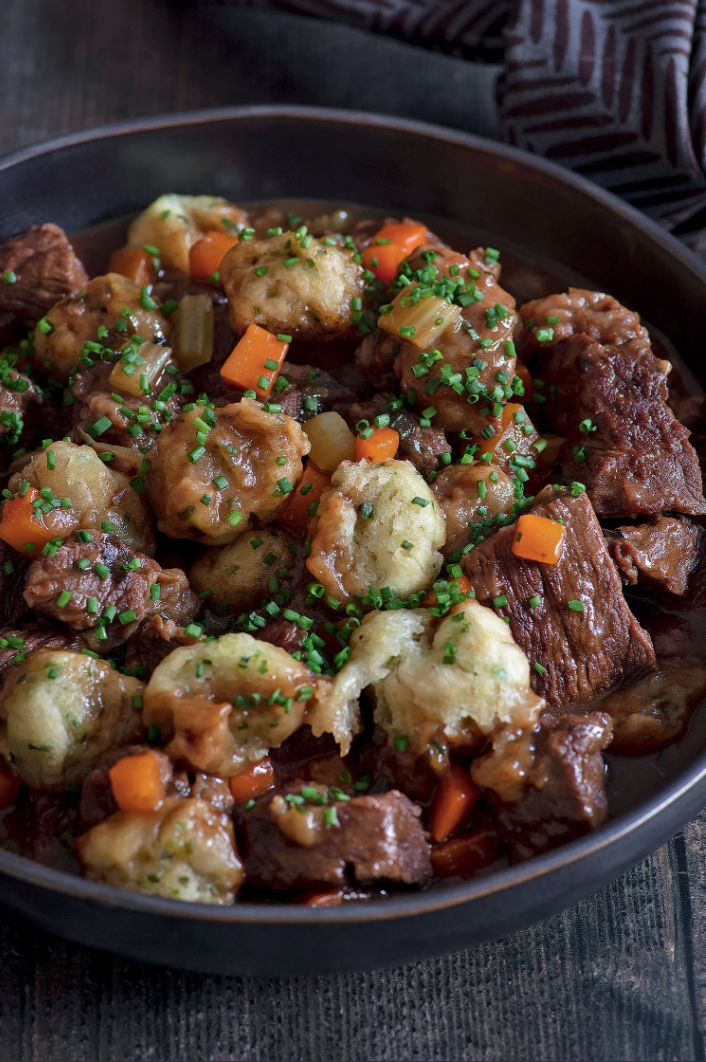
The UK has a rich tradition of both savory and sweet dumplings. Suet dumplings are plump, usually unfilled balls of dough cooked in stew or broth, sometimes flavored with herbs such as thyme or parsley. Suet is the firm fat found around the kidneys of cattle or sheep, although vegetarian alternatives are also available. For a meat-free option, try cider and bean stew with herby dumplings. On the sweet side, Scotland's clootie dumpling is a large, spiced pudding studded with dried fruit and traditionally cooked in a cloth. Some families have included coins or charms as tokens of luck. Apple dumplings offer another comforting dessert.
View the full British dumplings collection.
Mexican and South American Dumplings
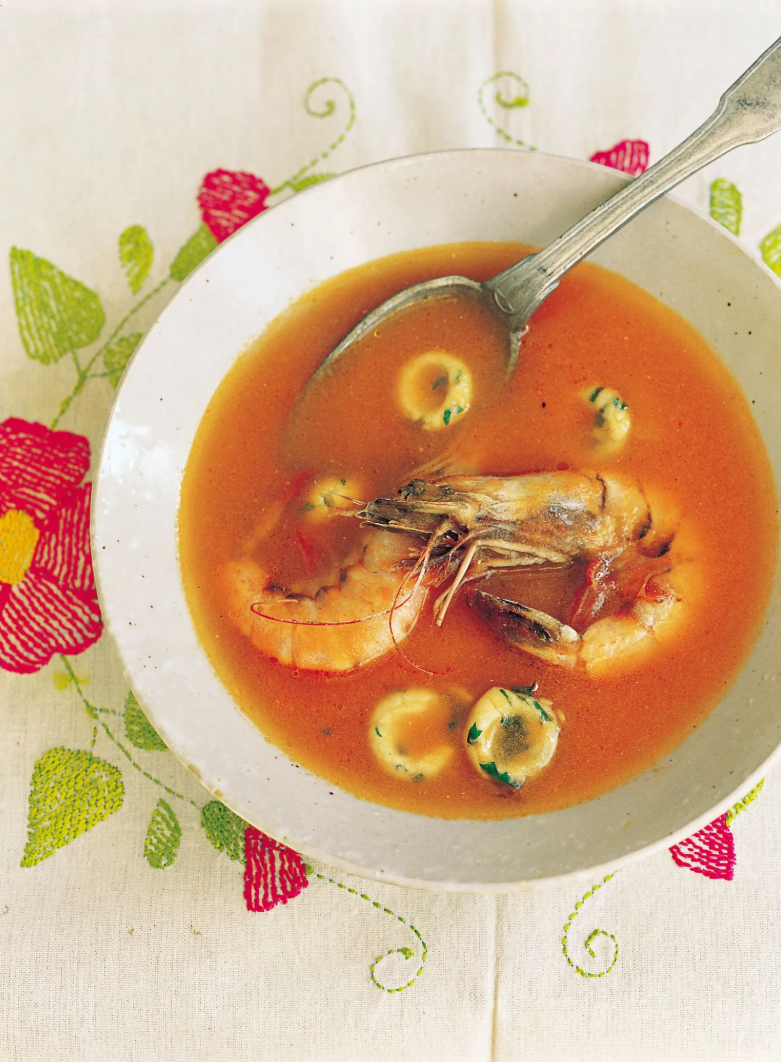
Local ingredients and culinary exchanges have shaped dumplings and their close relatives across these regions. In Mexico, masa, a dough made from corn treated with an alkaline solution, forms the basis of many dumplings. Try the little masa balls in this spicy shrimp stew from Veracruz. Brazil's bolinhos de bacalhau, fried salt cod and potato balls, sit close to the boundary between dumplings and fritters. Italian influence is evident in Argentina's enthusiasm for potato gnocchi, known locally as ñoquis, which also feature in a monthly tradition explored below.
View the full Mexican and South American dumpling collection.
African Dumplings
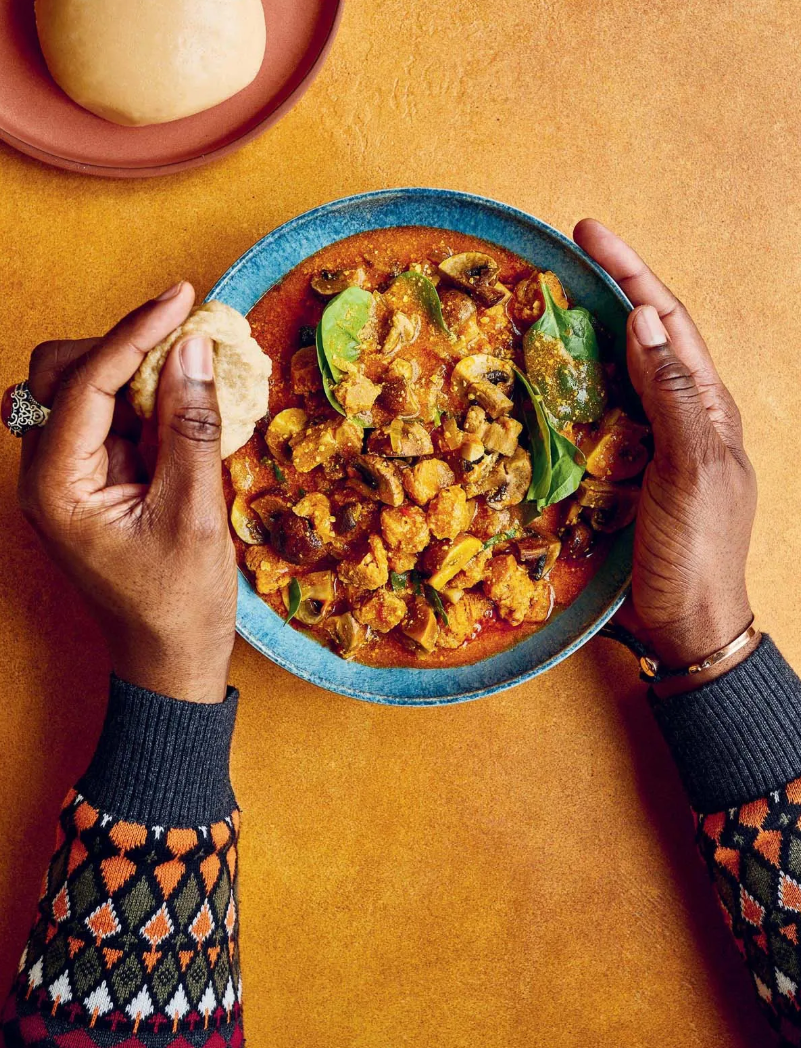
Africa's diverse culinary traditions include filled parcels, dumplings simmered in stews, and balls made from starchy vegetables. The beef dumplings in Egypt: Recipes and Stories from an Ancient Land are manti, made from a family recipe brought to Alexandria by an Armenian grandmother in 1918. Anto Cocagne's Saka Saka offers tuna dumplings and stuffed yam balls. For a warming meal, try a South African beef stew with dumplings or explore Tunisian Jewish cooking with a fish ball tagine.
View the full African dumpling collection.
United States Dumplings
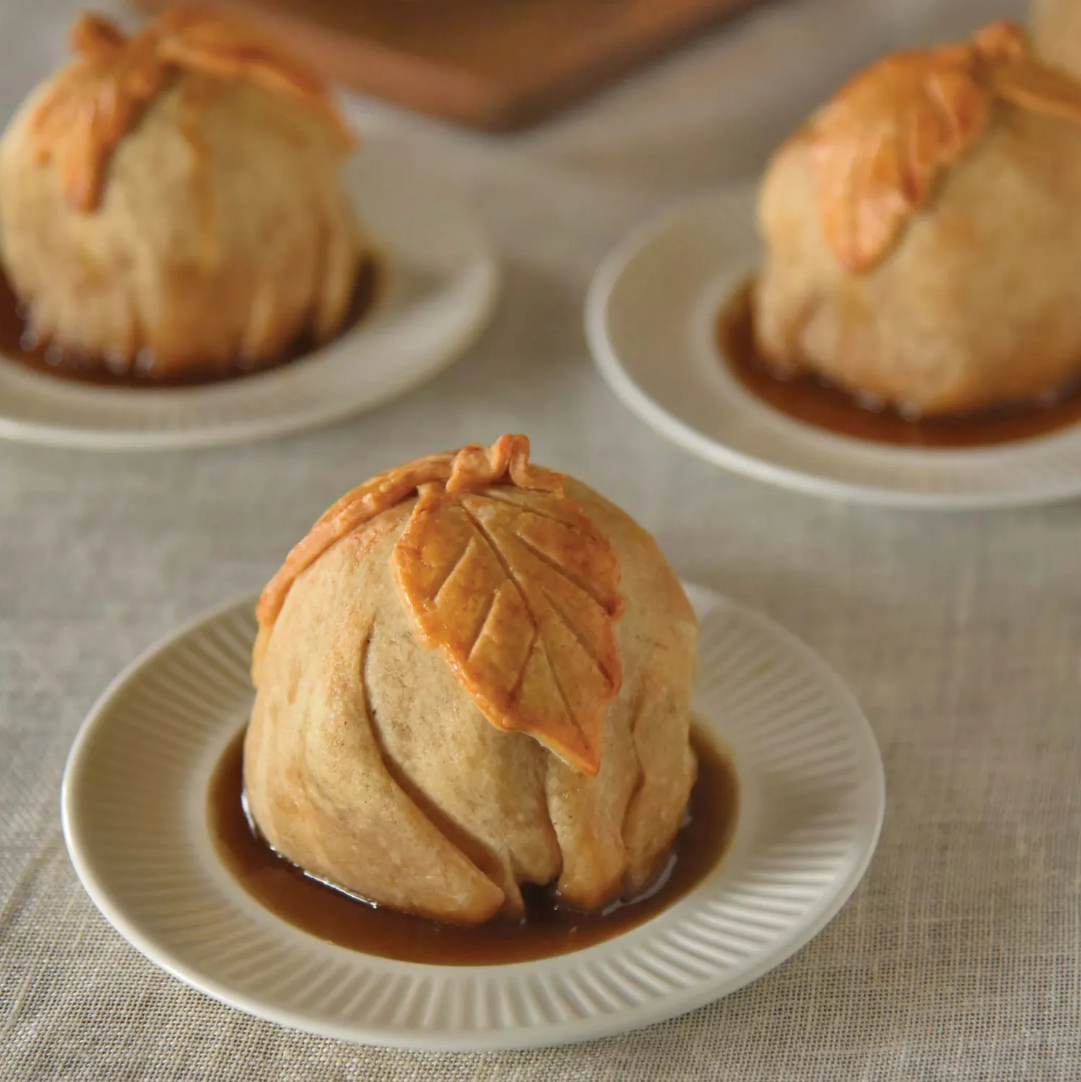
One of the best-known American dumpling dishes is chicken and dumplings, a staple of Southern and Appalachian cooking. Although often associated with Depression-era thrift, the dish predates the Great Depression. The dumplings vary by region and family tradition, from fluffy spoonfuls of dough to thin, rolled strips simmered in broth. Sweet dumplings also have a place in American cooking, including apple dumplings and Pennsylvania Dutch dried fruit and dumplings.
View the full United States dumpling collection.
Celebration Dumplings
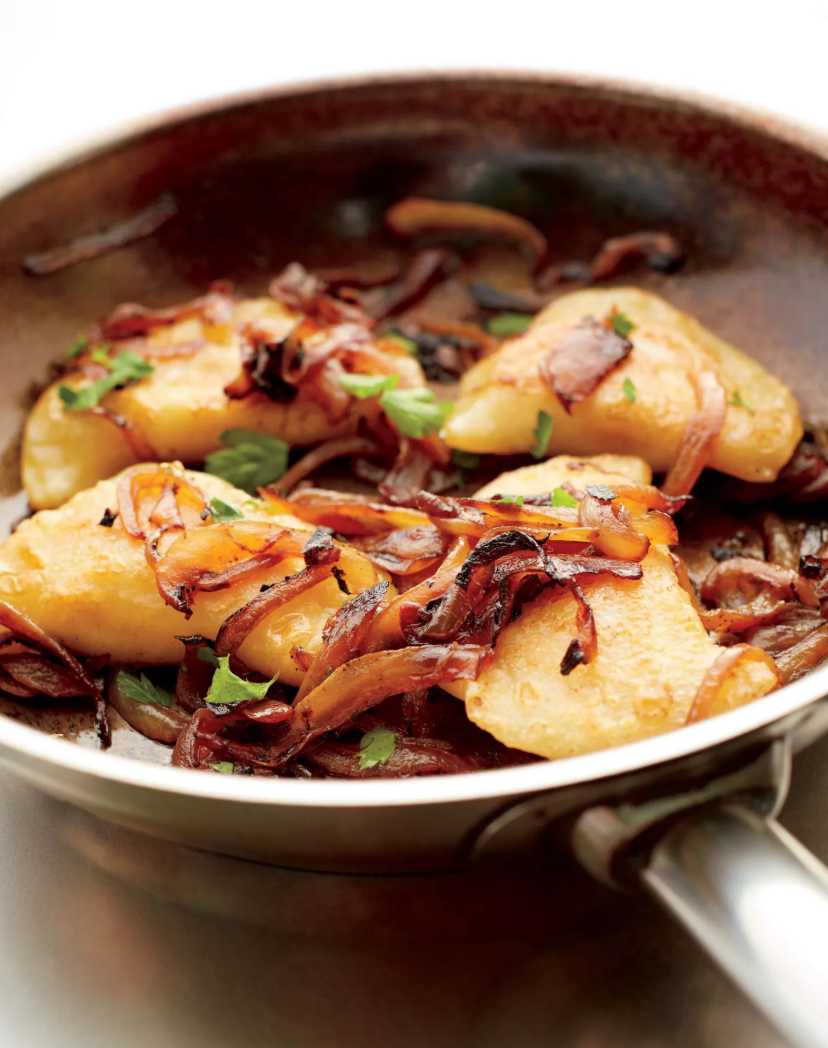
Dumplings play a part in religious festivals, holiday meals, and family celebrations around the world. Scotland's clootie dumpling is associated with Christmas, Hogmanay, and birthdays. Matzo ball soup is a familiar part of many Ashkenazi Passover meals. In India, dahi vada, lentil dumplings served with yogurt and chutneys, are enjoyed during festivals including Holi and Diwali. Jiaozi, with fillings such as pork and chives, are closely associated with Lunar New Year celebrations in northern China.
In Argentina and Uruguay, a monthly custom centers on ñoquis del 29: eating gnocchi on the 29th of the month. One explanation connects the tradition with an inexpensive meal toward the end of the pay cycle. Another is a legend in which a poor family shares its food with Saint Pantaleon, receives his blessing, and later discovers money beneath his plate. Diners may place a coin or banknote beneath their own plates to invite prosperity.
View the full celebration dumpling collection.
Give the gift of good dumplings!
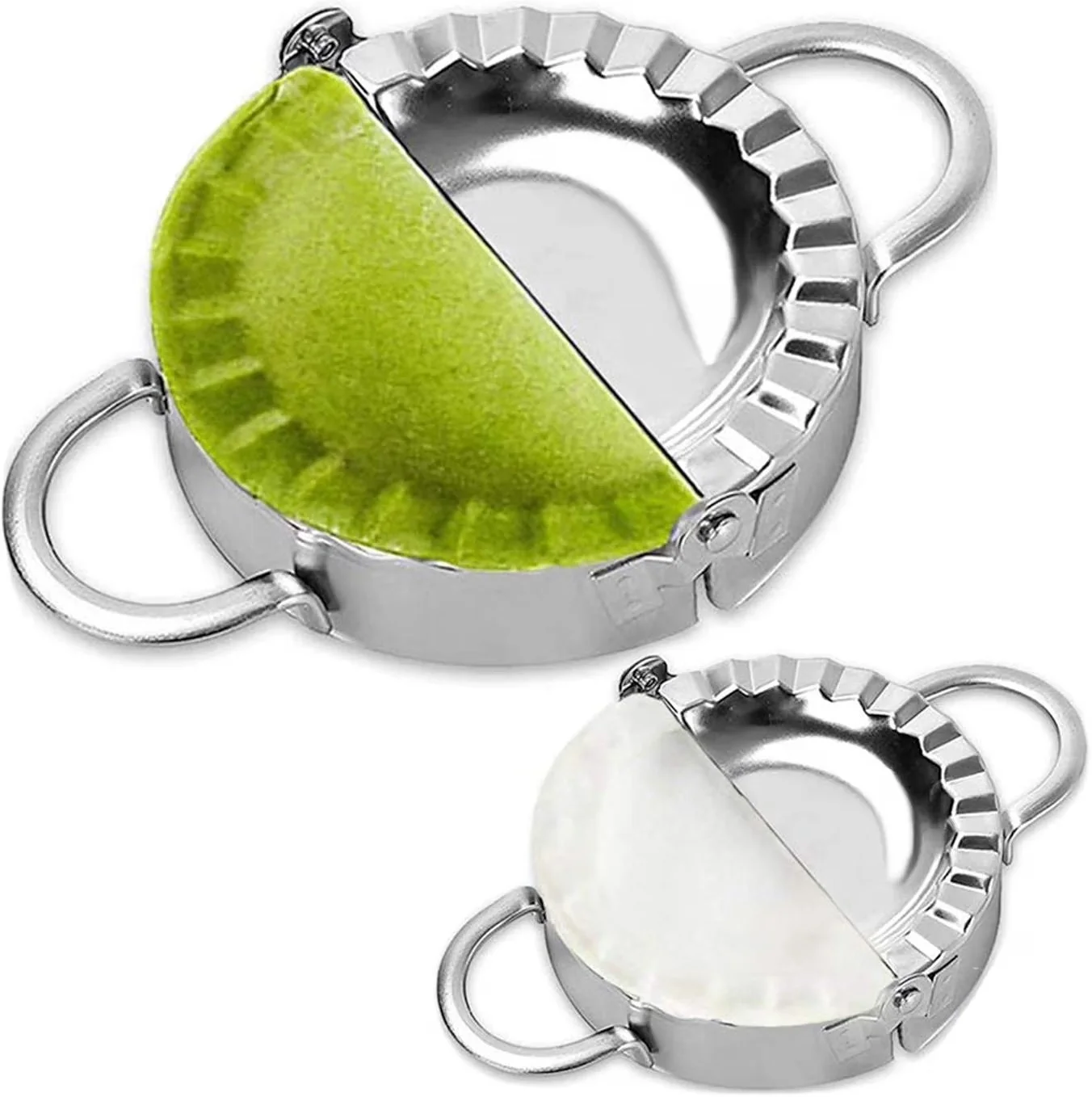
If you are looking for a handy stocking-filler for a fellow cook, a dumpling maker is the perfect accompaniment to go alongside a ckbk gift subscription.
About the author
Amanda Carroll is a food writer and cookbook enthusiast based in Westminster, Colorado. She enjoys exploring culinary traditions, trying new recipes, and cooking for family and friends. Away from the kitchen, she enjoys reading, gaming, and spending time with her husband, two sons, and their rescued pets.
More ckbk features
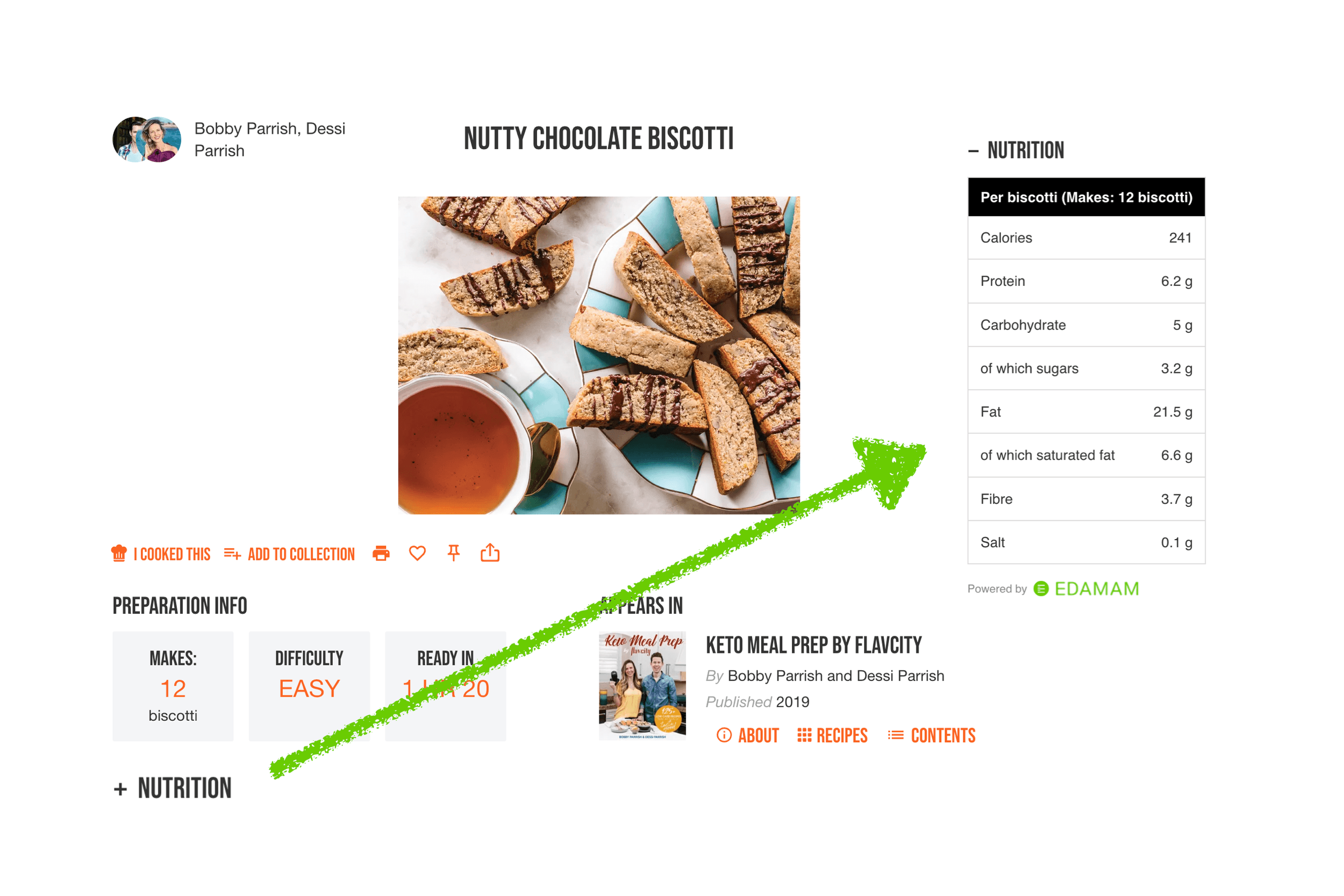
See nutritional information for any recipe on ckbk, make use of additional diet filters, and set your personal dietary preferences
Chef and culinary consultant Anjula Devi explains how her book 15 Minute Indian ‘turns some of the rules of traditional Indian cooking on their head’
Cookbook enthusiast and ckbk user Amanda Carroll extols the virtues of this lemon and garlic sauce from the Middle East