
Author profile: Jasvinder Karam, author of Champur
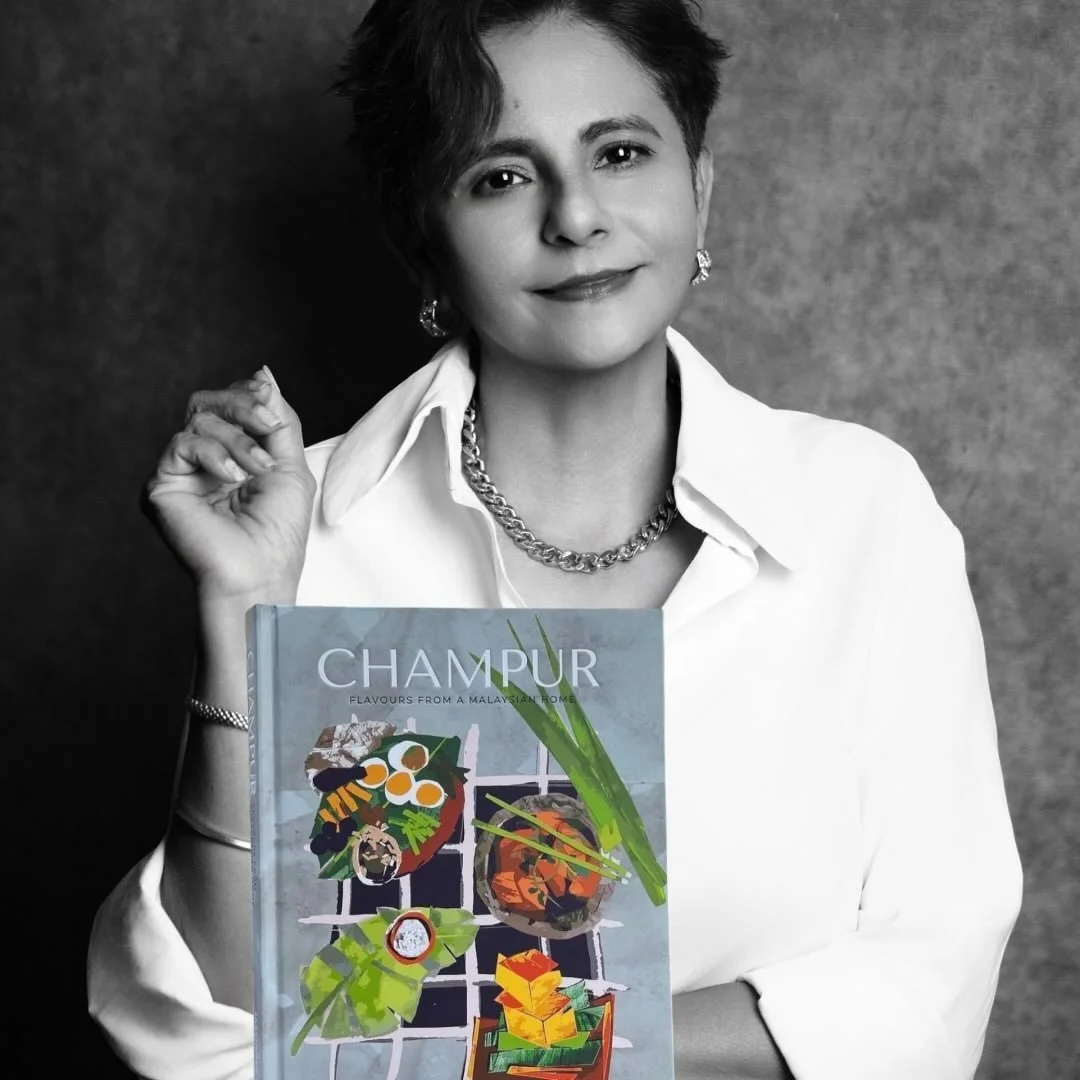
While we hunkered down during the stay-at-home days of Covid-19, we all chose different ways to spend our enforced free time. Some people picked up a new language or instrument, or tasked themselves to read through the entire corpus of some prolific author. The less ambitious enjoyed marathon sessions of movie consumption or online gaming. Jasvinder Karam, formerly a corporate lawyer in Kuala Lumpur, was asked by her grown-up son if she could share the recipes for the family dishes that she had been making and refining for decades. She decided that, rather than just quickly transcribing the recipes, which brought together Chinese, Malay and Indian flavors (the hallmarks of Malaysian cuisine), she would use her time in lockdown to produce a fully-fledged cookbook of the meals that had long graced the family’s dining table, ranging from claypot chicken rice and masala fish patties to Canton prawn noodles and lamb dalcha. This meant bringing together an “editorial” team comprising a bona fide editor and co-editor, a book designer, an illustrator and not one but two photographers. She notes that one of the reasons her son, Haren, insisted she write down her recipes was in order to standardize her cooking, which, delicious as it was, had a habit of being a little inconsistent—as is often the way for an instinctive home cook who might throw in “a pinch of this” and “a handful of that”. And so she applied herself to meticulously testing the recipes. At the end of this ambitious project, Karam published the cookbook, and her extraordinary efforts were recognized with a Gourmand World Cookbook Award.
As ckbk’s Malaysian-born co-founder, I am very proud of the Malaysian and South East Asian cookbooks that are included in ckbk’s collection—each one bringing back for me many childhood food memories. When reading through Karam’s book, I was struck by how so many of her recipes were at once both comfortingly familiar yet also notable for elements of innovation. Sometimes this was the inclusion of an unexpected ingredient, and at other times it was a time-saving note, an inventive variation on a classic, or a genius tip. Chatting with her as we sat in our homes on opposite side of the globe (she in Kuala Lumpur, myself in New York City), I realized that while many accomplished home cooks potentially “have a cookbook in them”, only the rarest of them possesses the talent and perseverance to produce an award-winning one.
Interview by Nadia Arumugam
You began cooking as a child and learned largely by tasting, experimenting and working things out for yourself. Like most home cooks, you describe your everyday style as being “agak-agak” which means “to estimate or approximate” in Malay. How did you reconcile your instinctive approach with the demands of distilling your cooking into precise recipes that could be easily replicated in any kitchen?
When I was working on Champur, I was very particular about one thing: when someone cooked from the book, the dish should taste as close as possible to the food I cooked at home. That was something that really was at the top of my head, I wanted anyone attempting my recipes to achieve the same or almost the same result. So I thought to myself, "Okay, I'll take it upon myself to start calibrating everything.” From the ingredients and the timing to the method, I had to be so precise. I wanted it all, from the amount of time you spend on each step, to every measurement to be exact until I achieved the taste that I wanted. In doing this, I found that this was actually my calling. I love being very meticulous. I didn't realize how daunting this was going to be! Little did I realise that some recipes would take close to 30 attempts before I felt they were precise enough to be replicated consistently. I also had my husband, my children, a recipe editor and a close friend test the recipes independently. It was a fairly costly undertaking, but I was fortunate to have the luxury of time, a functional kitchen and the means to see it through.
You describe how you can taste a dish and then go home and recreate it by breaking it down into different flavors components? Can you talk me through this process?
I was a picky eater as a young child but when I loved a dish, it immediately piqued my curiosity and I wanted to know what the ingredients were. For example, I remember around the age of seven, going to one of the Chinese restaurants that we would go to on Old Klang Road and having the sweet and tangy pineapple chicken. I remember deconstructing the sauce. The tomatoes were very prominent, delivering the tanginess, and you could see the ginger, the onions, the spring onions, and of course the pineapple contributing the sweetness. I remember tasting the garlic very clearly. I was also thrust into the responsibility of caring for my family at a young age, and cooking was a major part of my duties. I think those circumstances sharpened my instincts in the kitchen and gave me an ability to understand how ingredients work together in a dish. When I taste something for the first time, I instinctively break it down into layers. I look for the balance of salt, sweetness, acidity, heat and spice; then the aromatics, herbs and texture. I try to identify what forms the base of the dish, what gives it depth, and what provides that final lift or freshness. It is rather like tasting wine, like some very discerning wine drinkers are able to recognise the characteristics—the type of grapes, region, terroir. With Malaysian cooking, many of the building blocks are familiar—onions, garlic, ginger, chilli, spices, herbs, stocks, soya sauce, pepper and sometimes sugar. The challenge is not necessarily identifying the individual ingredients, but understanding their proportions, how they have been treated, and when they were introduced during the cooking process. The flavour of a dish comes from everything coming together as one.
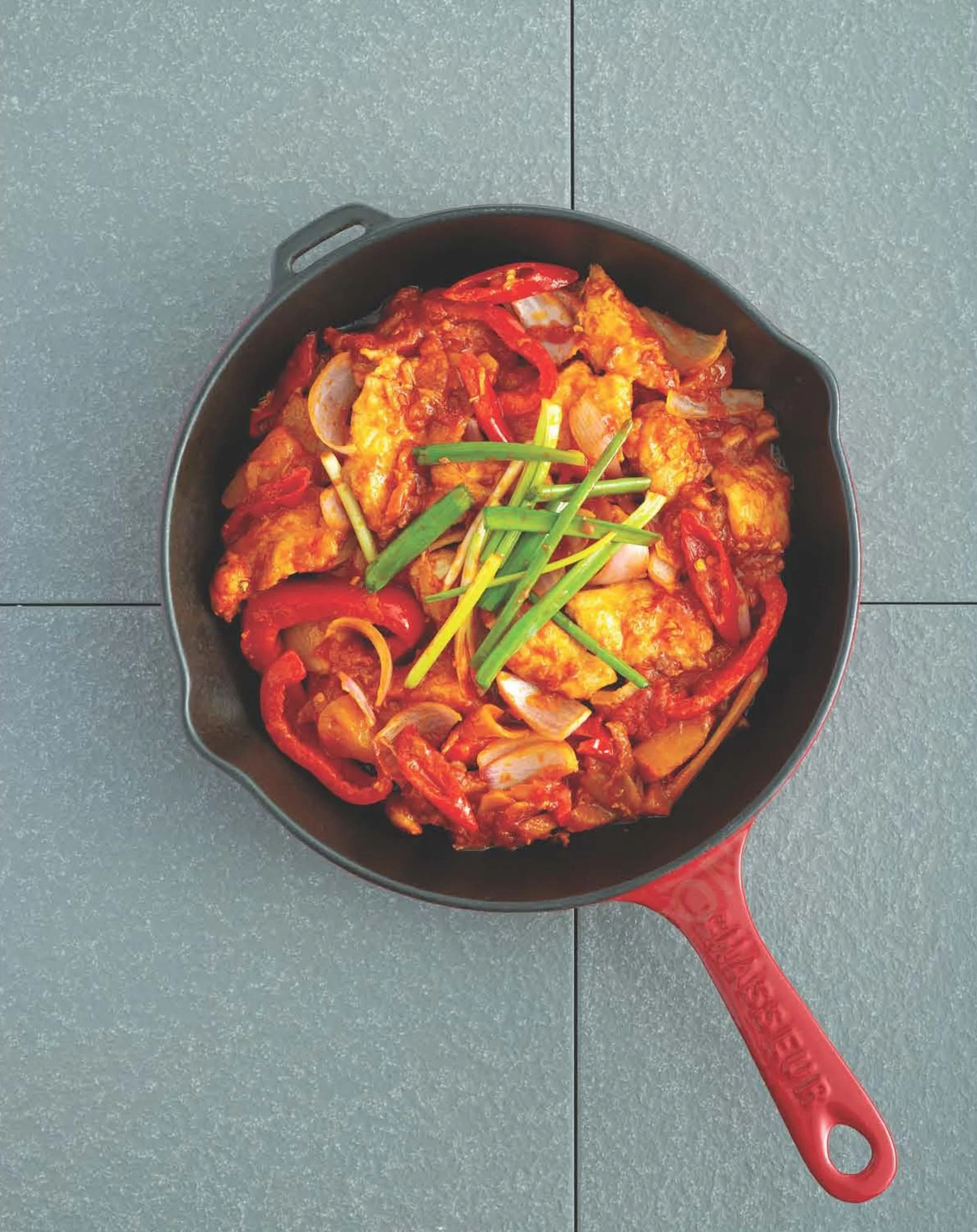
Champur is derived from the Malay word campur, meaning “mix”. As a Malaysian myself, the hallmark that I appreciate most about our food is how it brings together Malay, Indian, and Chinese culinary influences to produce a unique and distinctive cuisine. Which dish from the book would you say most embodies this notion of the mixing of different cultural influences?
I feel that the one that really embodies all these three influences would be curry laksa. For the Malay angle there is the lemongrass and the sugar, for the Indian influence, it would definitely be the mint leaves, the chili paste, and the meat curry powder, and for the Chinese flavor, this would come from the dried prawns and soy sauce. There’s also the stir-fried sambal vegetables where the sambal paste with tomatoes, shallots, dried chili and brown sugar is very Malay whereas the taucu which is a fermented soybean paste is used in Chinese cooking.
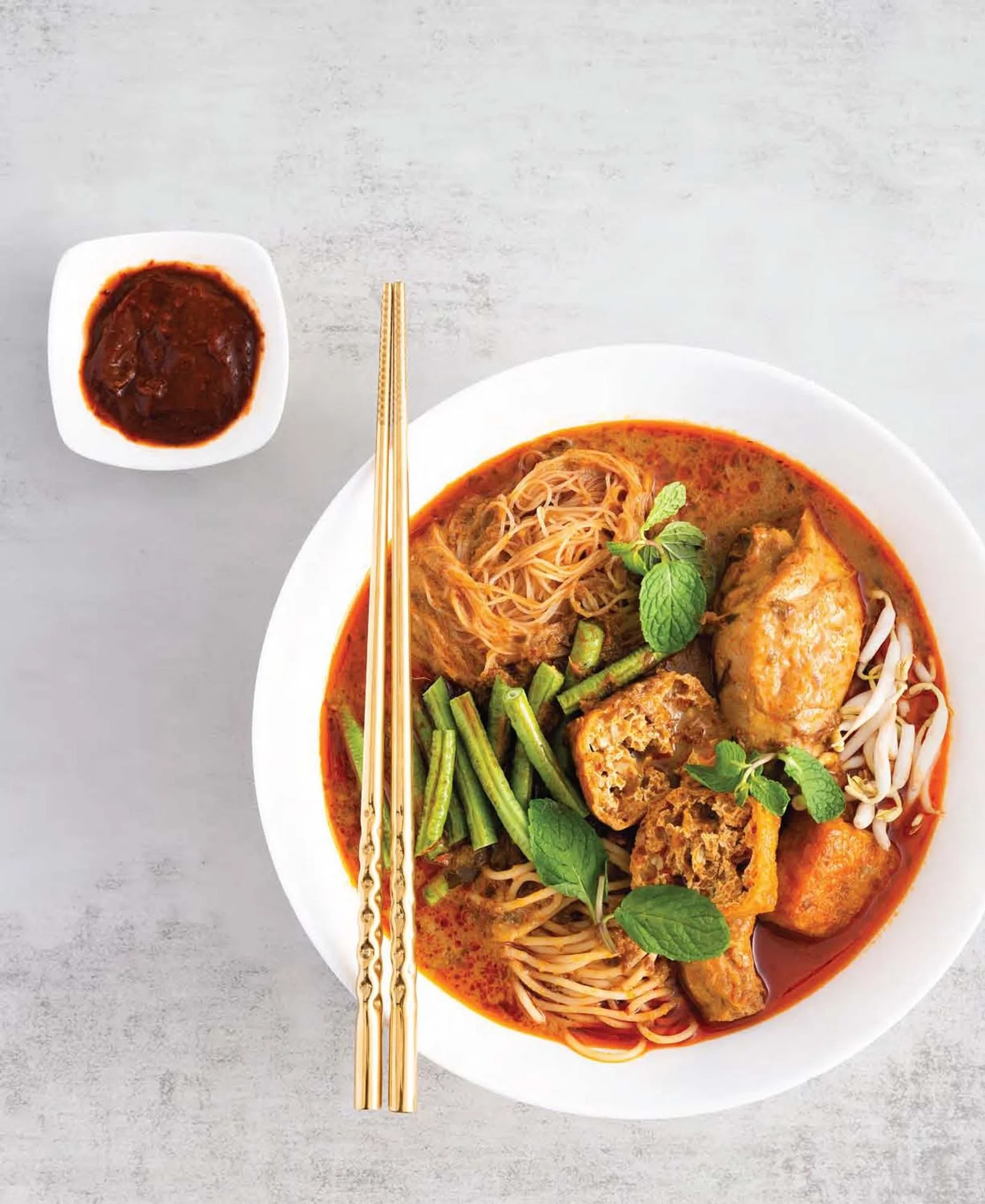
Curry Laksa from Champur by Jasvinder Karam
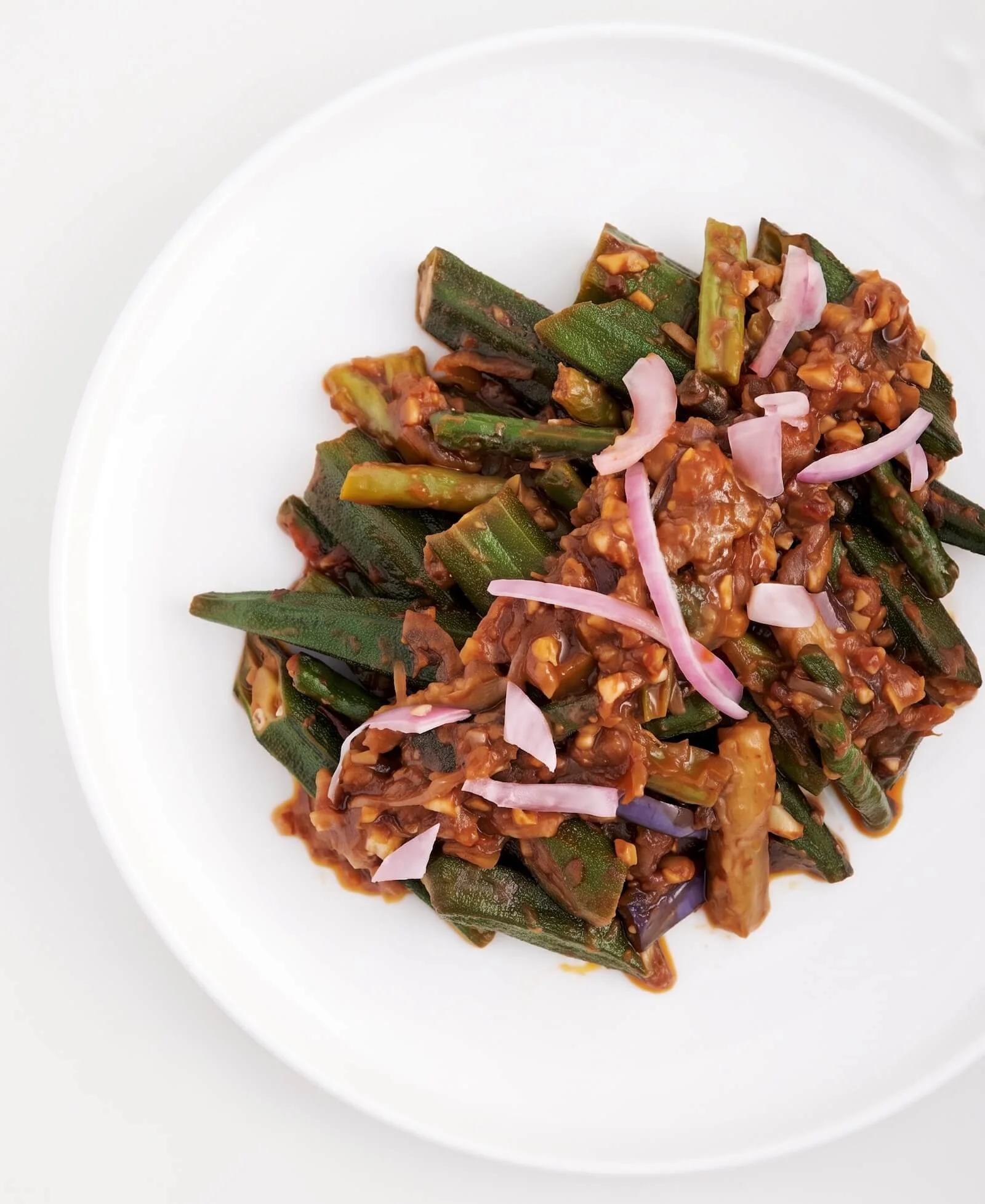
Stir-Fried Sambal Vegetables from Champur by Jasvinder Karam
One of the things that I really picked up on in the book is how healthy cooking without compromising on flavor is so important to you? Could you describe how you amended certain recipes to make them healthier versions of the originals?
While a lawyer by training, law was never really my calling—though I did enjoy aspects of it. I loved mathematics and chemistry and wanted to be a scientist, even though I ended up studying law. Perhaps that is why I have always regarded cooking as a science, and my kitchen as my laboratory. I am constantly experimenting; asking what an ingredient contributes, what can be reduced or substituted, and whether making a dish lighter without compromising its character and flavour.
I have an unflinching belief that you are what you eat. Wherever possible, I cook from scratch and choose fresh, minimally processed, healthy ingredients. Coconut milk is an example of something I try to avoid. I have never really cooked my savoury dishes with coconut milk/cream. My ancestors are from Punjab and most of the cuisine does not rely on coconut milk or cream. So when I began cooking dishes that traditionally used coconut milk, I discovered that it could often be omitted or replaced—sometimes simply with extra onions, and in other dishes with yoghurt or milk. The result is lighter, but still full of flavour.
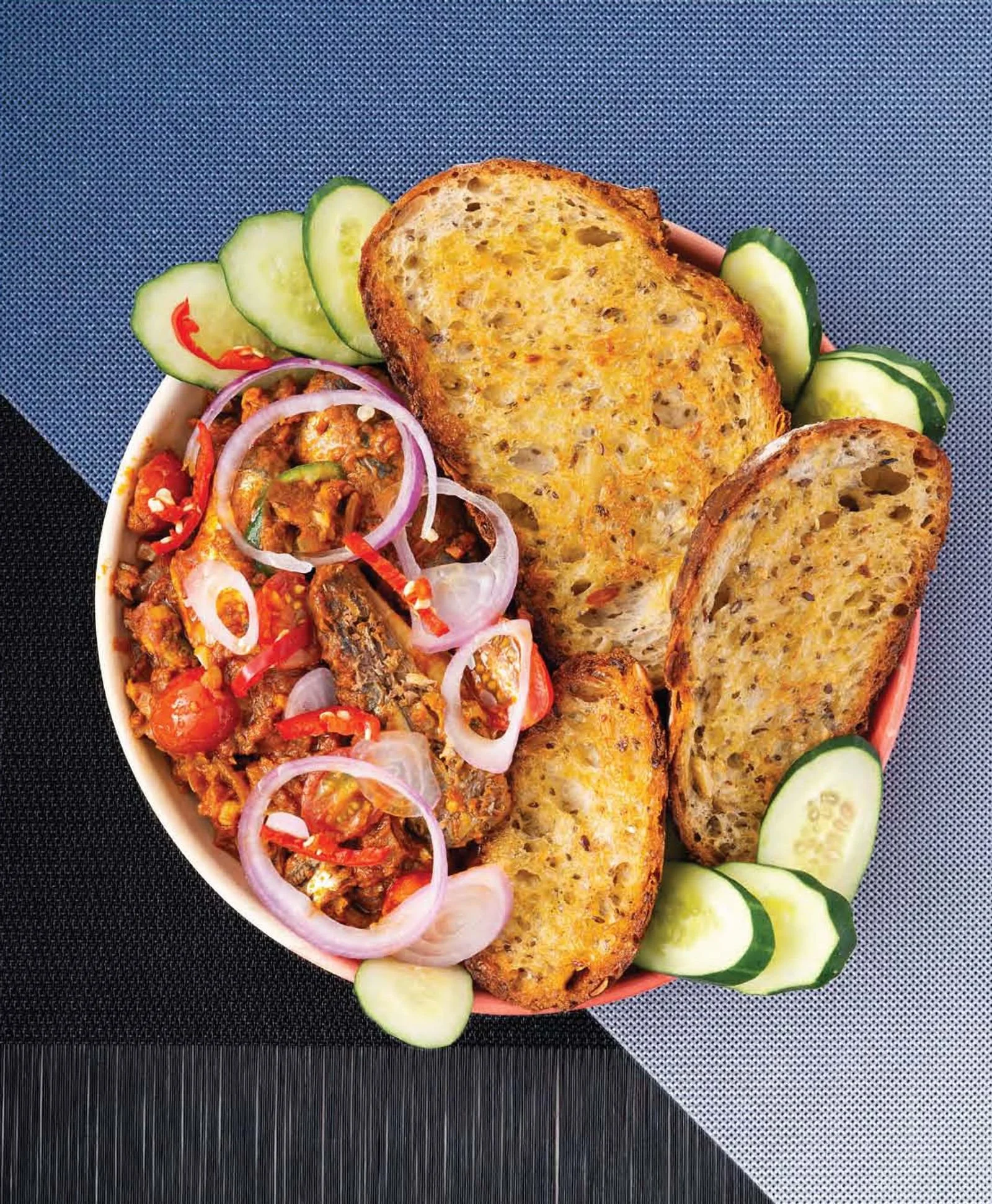
26 years ago I transitioned to clean cooking which means using less oil, less sugar, less salt, less fat, using organic produce where possible and avoiding artificial enhancers and preservatives altogether. Writing the book made me reflect more consciously on the way I had already been cooking for years. It made me examine why I did certain things and realize that these small adaptations had naturally become part of my cooking style. For me, the key is knowing what gives a dish its soul. I am quite happy to reduce, remove or substitute ingredients —even spices—if I feel they are unnecessary or overpowering. What matters is that the dish retains its essential character and, above all, still taste good.
You say you transitioned to “clean cooking” 26 years ago. That’s very specific. Was there something in particular that triggered this change?
Yes. I had a client at the legal firm that I was working at and her sister-in-law was suffering from cancer. She was given two months to live. She changed her diet and was not just eating more healthily but ate only organic. At this time too, there was a new grocery shop that had opened, and they were sourcing truly genuine organic produce. It was managed by an 18 year old boy at the time and I would go and buy from him. Today, he’s 45! I've grown up with him, and I've been his customer ever since.
Some of your recipes include unexpected ingredients and combinations, such as quinoa and grapes in your raita, garam masala, ricotta cheese and almond meal in your baked broccoli, and miso in your Har Lok (originally a Cantonese dish). When you create a new riff on a dish, what is your process as you decide whether a new ingredient belongs there?
My husband and I are foodies, without being snooty. Wherever we travel food is always a priority. Over the years, those experiences have exposed me to the building blocks of many cuisines that I draw on. With the quinoa and grape raita, I wanted texture and something nutritious. The quinoa adds a little bite, the grapes give natural sweetness to contrast with the tangy yogurt. It is the same thinking behind my green apple raita. With my fish congee and almond rice pudding (Badam Kheer) I use multigrain rather than just rice, again for texture and fibre. With baked broccoli I knew ricotta would give creaminess without overwhelming the broccoli while almond meal would add texture and act as a binder. But ricotta and almond meal alone were too mild. The garam masala gave it warmth and depth—and suddenly the dish came together.
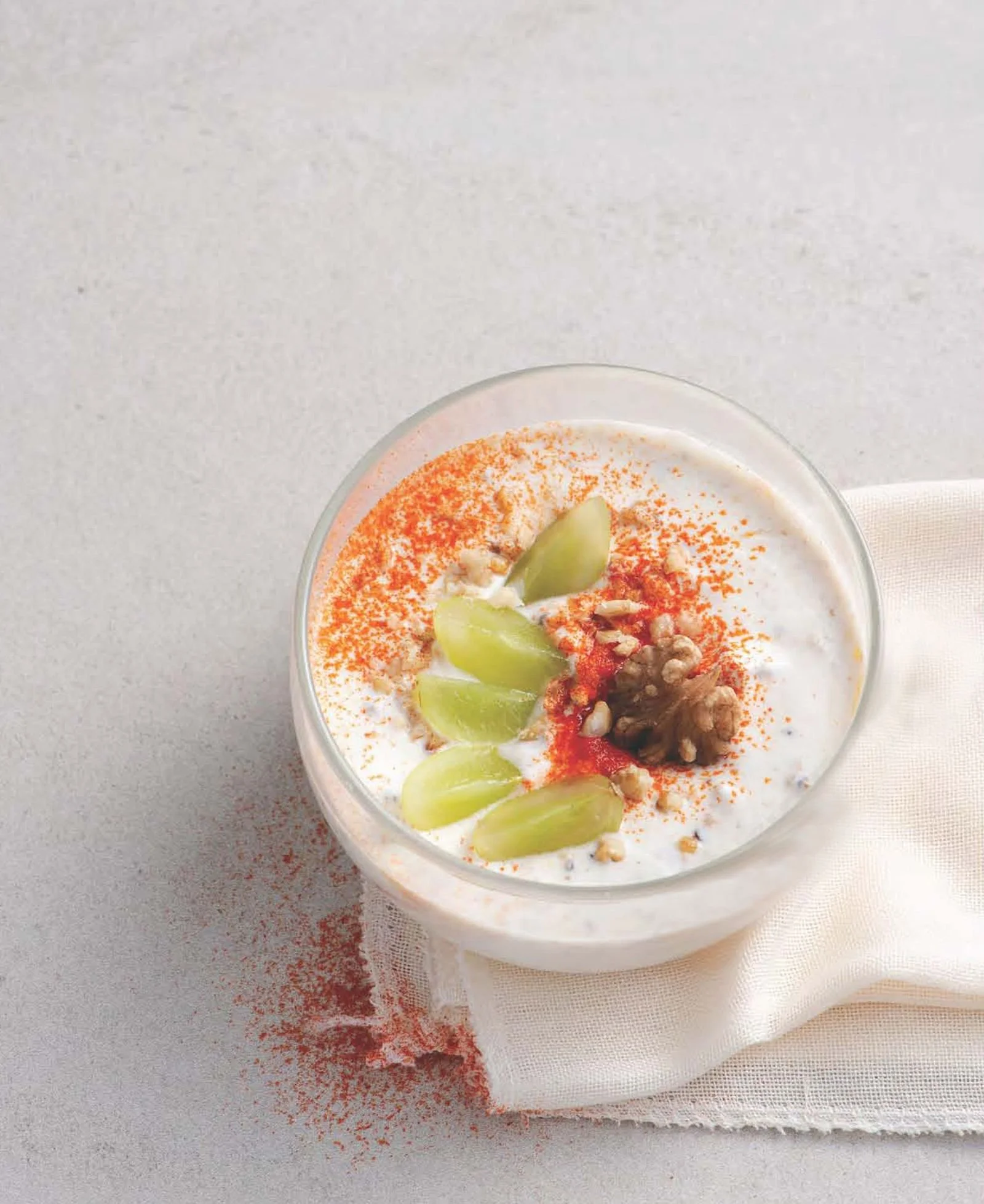
Grape, Walnut and Quinoa Raita from Champur by Jasvinder Karam
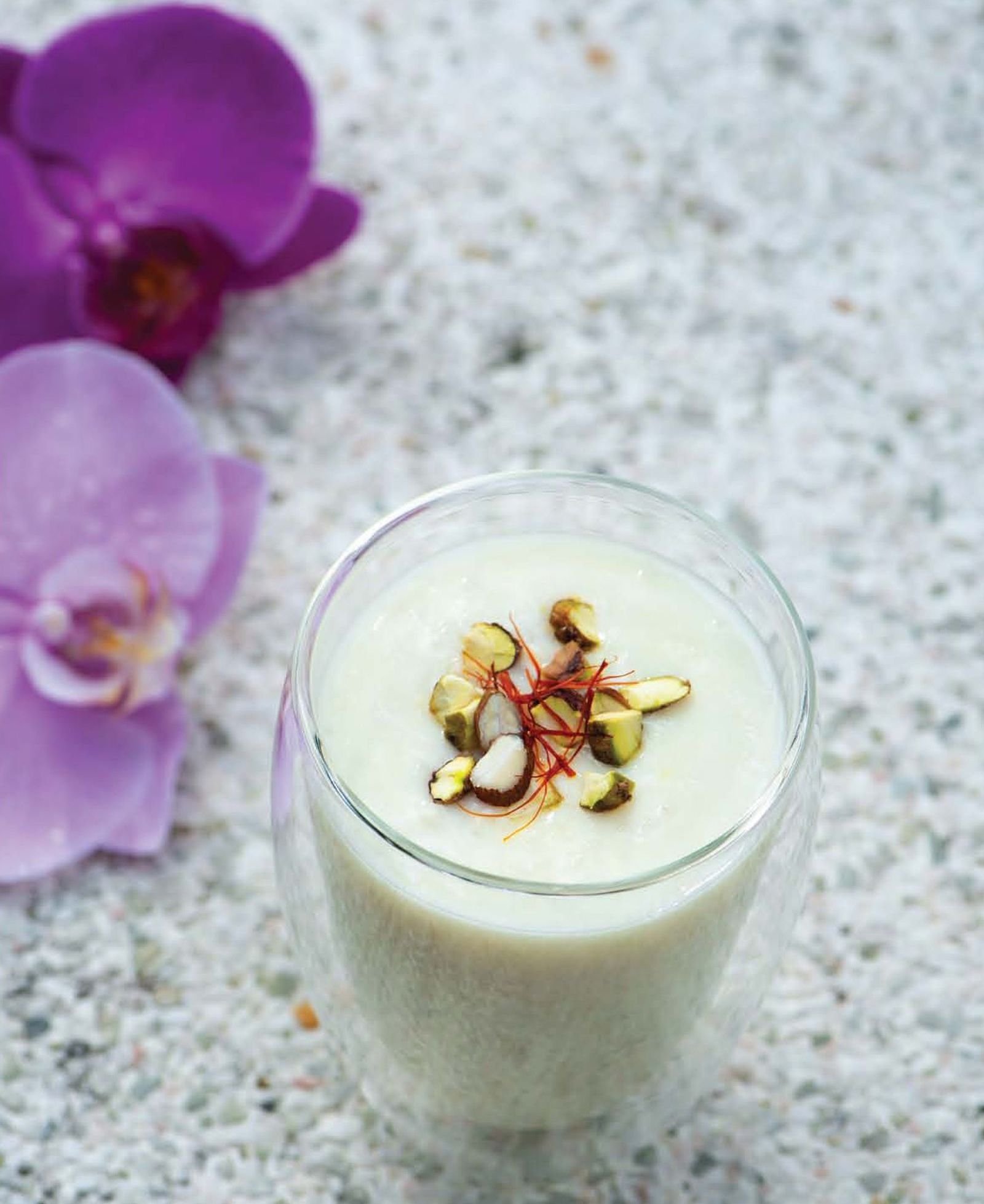
Badam Kheer from Champur by Jasvinder Karam
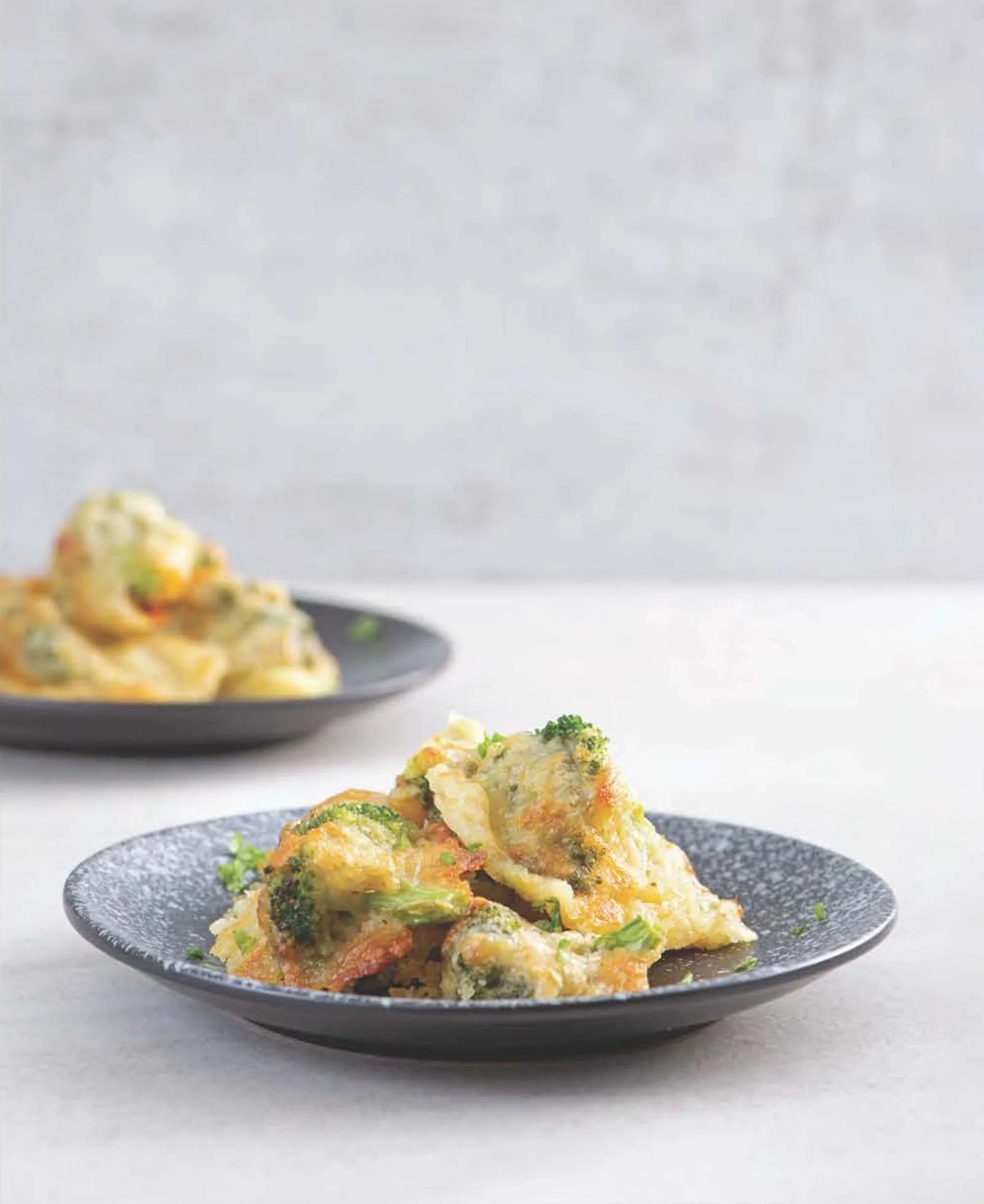
Baked Broccoli from Champur by Jasvinder Karam
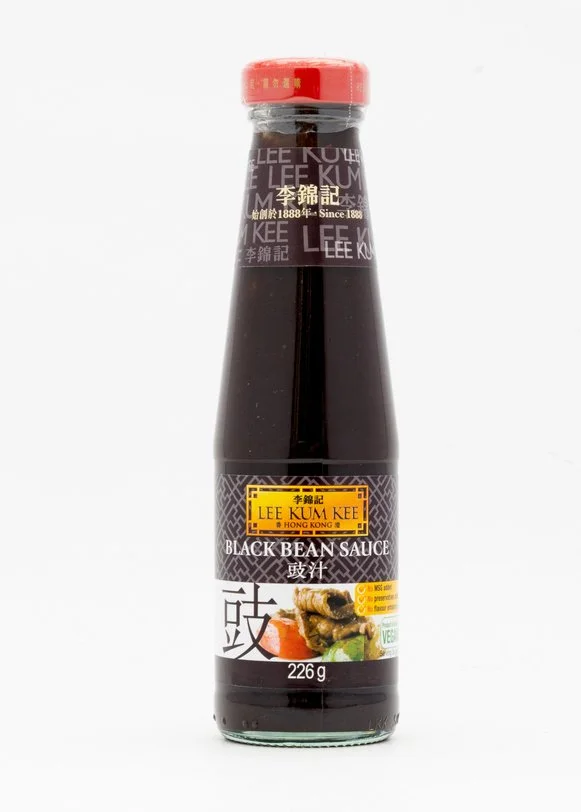
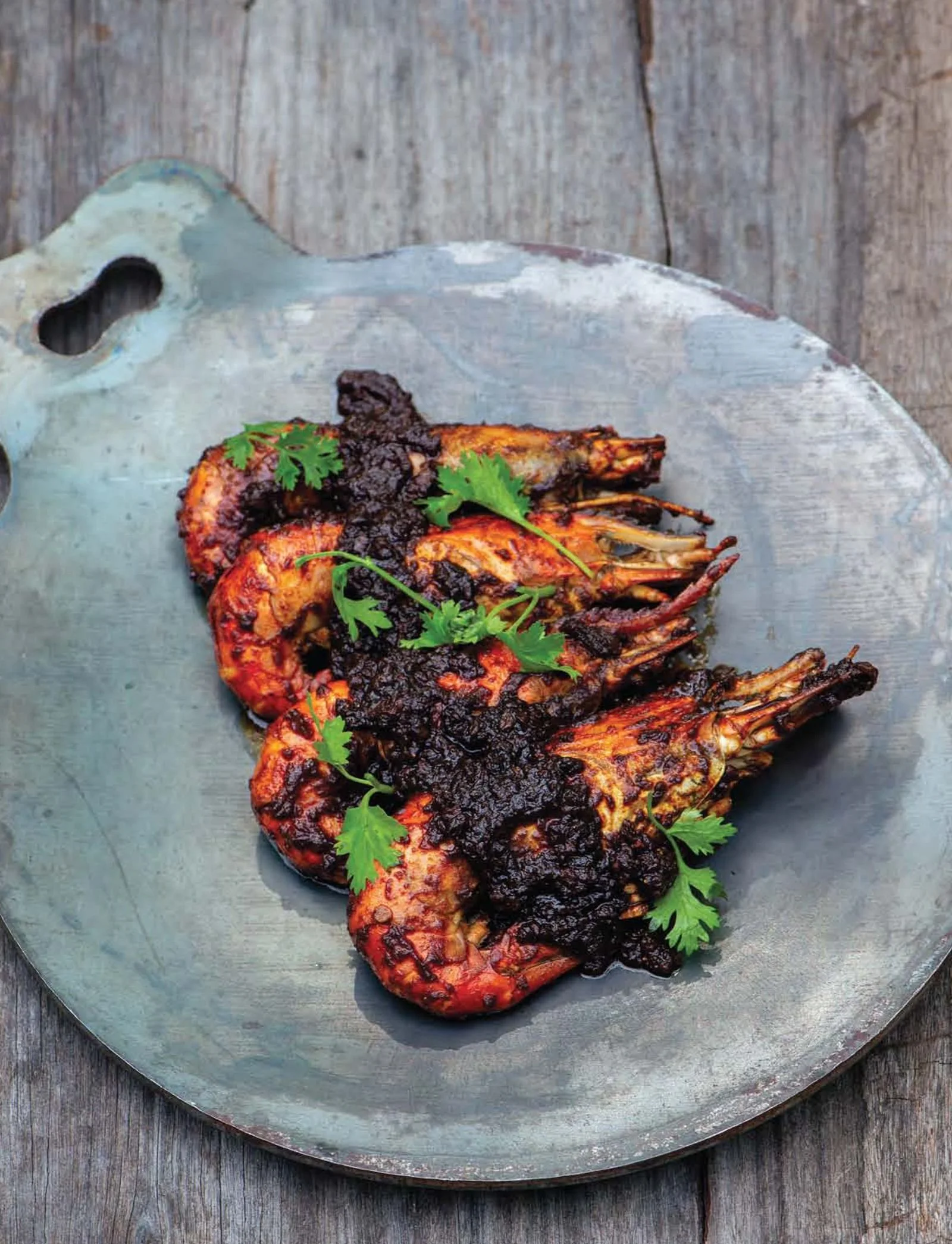
For me, an unexpected ingredient has to earn its place. I don’t add something simply to make a dish different. It has to bring flavour, texture, balance or sometimes nutritional value. As for the Har Lok I started making this dish close to 30 years ago. It became a signature dish of mine and a family favourite. At the time as a working mother. I never seemed to have enough hours in the day, so I would use Lee Kum Kee bottled Black Bean Sauce for convenience. In 1999, I left the corporate rat race. Without a desk job, and while the children were at school, I suddenly had the luxury of time. I could spend hours at the grocer, reading the ingredient labels. I became increasingly troubled by what I found. I began looking for more natural ingredients, avoided unnecessary preservatives and flavour enhancers wherever possible. Har Lok Prawns evolved with me. I moved away from bottled black bean sauce and began using taucu, our local fermented soya bean paste, before eventually progressing to miso, which I find is more refined.
As you experimented with different combinations and formulas, were there any that were less than successful in reality?
Of course, there have been instances where the dish doesn’t come together! I once tried making a vegetarian Nasi Goreng Kampung (a rustic style fried rice typically containing anchovies) for an event in Chennai for 150 people. Without the usual ikan bilis (anchovy) sambal, the sauce was far too watery and made the rice soggy. Mushrooms eventually came to the rescue. Mushrooms added umami, and they also absorbed all the excess liquid. This allowed me to cook it in a manner that was presentable and tasty! They loved it there.
You talk about how cooking for your family became your duty when your mother passed away when you were nine years old and this initial chore was something of a burden. Do you recall when cooking became less arduous and more of a passion? Were there certain dishes that you found especially soothing to prepare despite the challenges of overseeing the management of the household in addition to your schoolwork?
Cooking has always been an integral part of my being as long as I can remember. After my mother passed away, it became a responsibility very early on. But over time, it has become something I genuinely enjoy. My passion for cooking really deepened when I was in England in 2014, being with my teenage daughter while she was in boarding school in Surrey and my son was in University in Bath. I finally had time for myself—I would wander around grocery stores and I enjoyed meals in morning markets, neighbourhood cafes and restaurants, and would pour over menus.
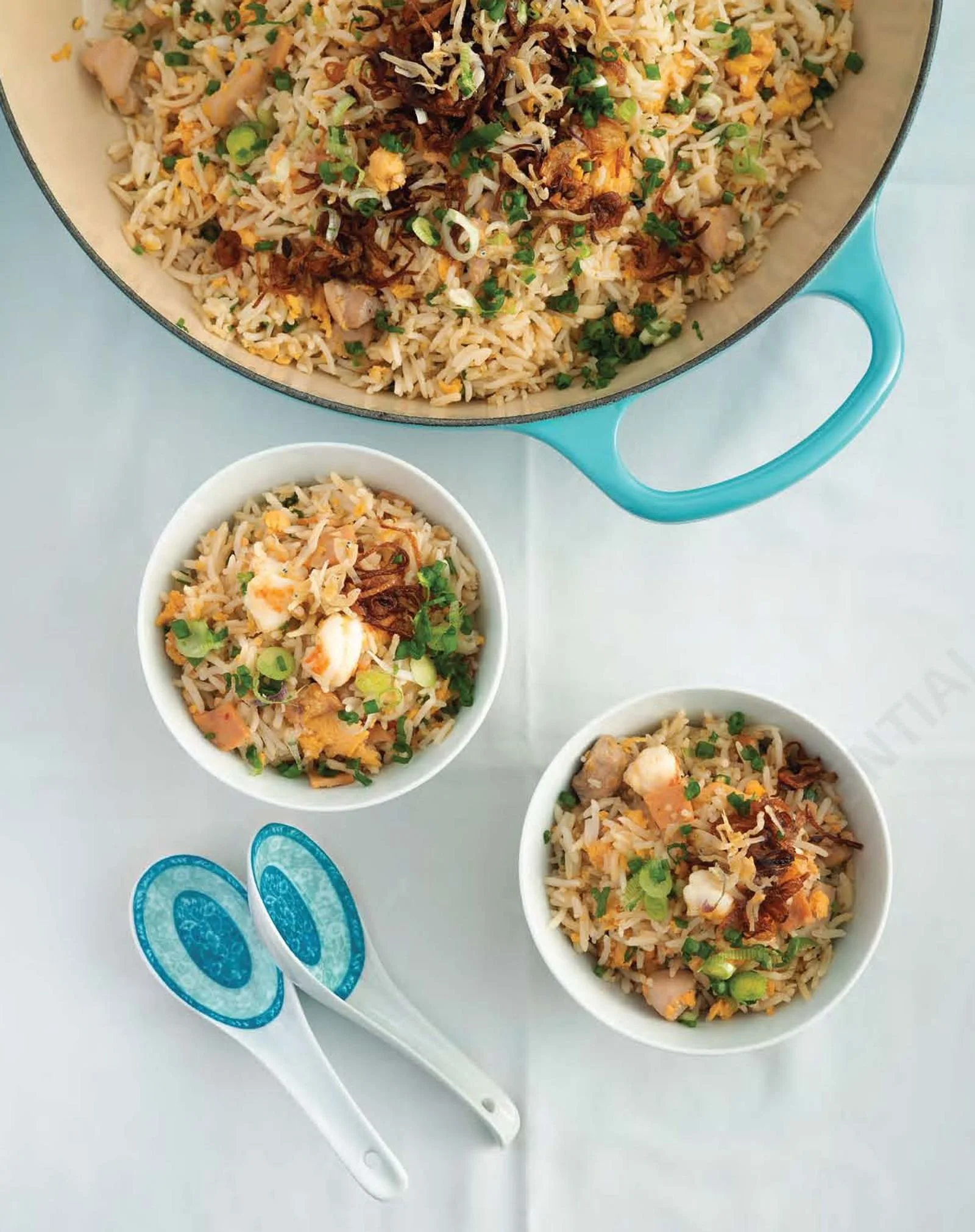
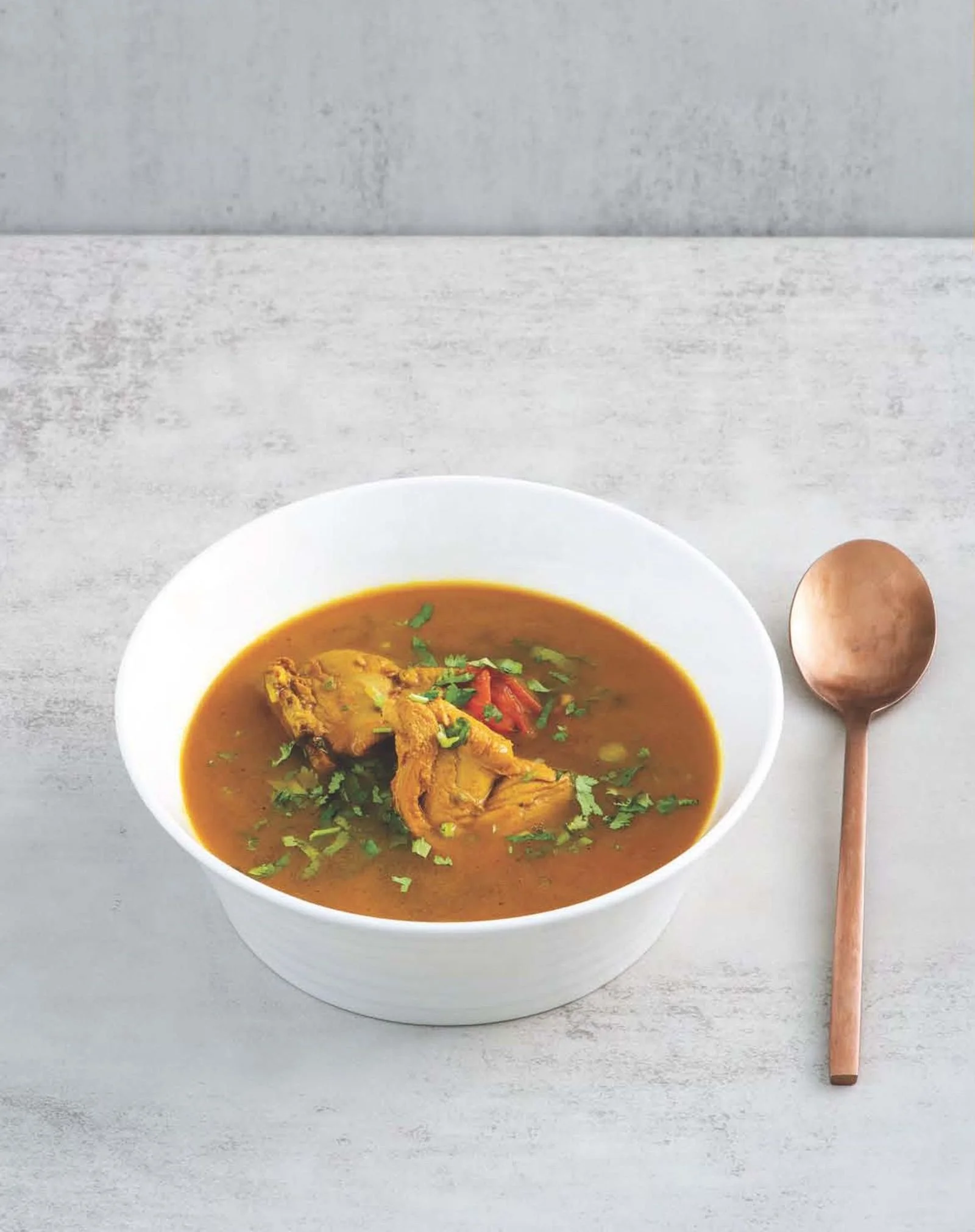
Cooking dishes that are a reminder of my time with my mother is what I think of as my “balm”, and it’s these recipes, such her yong chow fried rice and Punjabi fried sardines, that come to mind when I want something soothing. Her rasam (a traditional spiced South Indian soup made with tamarind) which I modified to create my chicken rasam, was a tonic for my siblings when they were unwell, and later on for my husband and children. I’ve missed my mother so much and her food and recipes are my connection to her.
Were there any recipes that you really wanted to include in the book but weren’t able to?
Yes, my chicken kurma which is one of my favorites! I would have loved to have it there, but there were already too many chicken and curry dishes. [There’s a great recipe for Chicken Kurma in Suki Pantal’s No Worries, Just Chicken Curries]. The other thing that I really enjoy doing is Penang prawn mee [see Sharon Wee’s Mee Siam recipe in Growing up in a Nonya Kitchen]. I really wish I had put that in the book but again, there were just too many noodles!
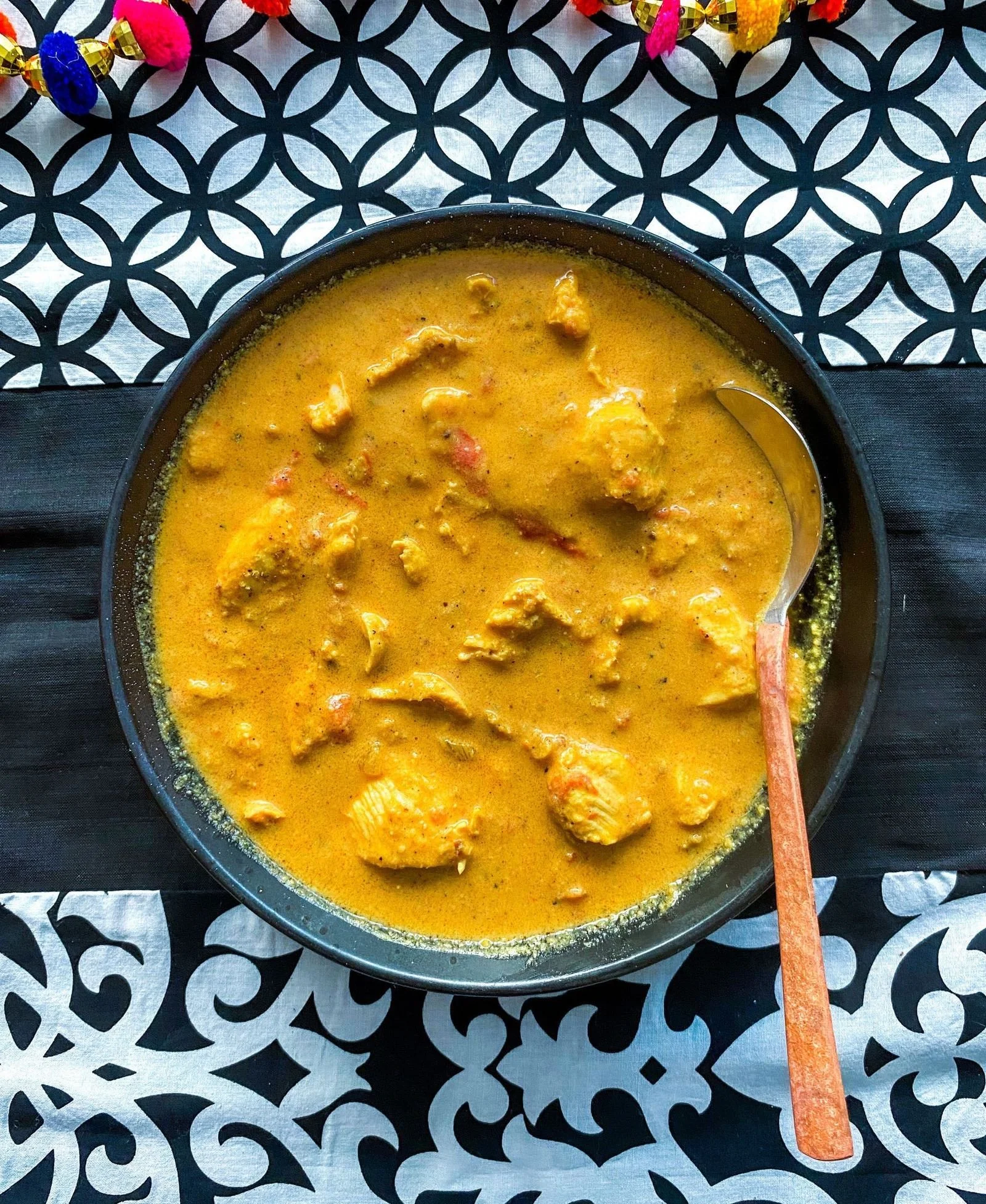
South-Indian Chicken Kurma from No Worries, Just Chicken Curries by Suki Pantal
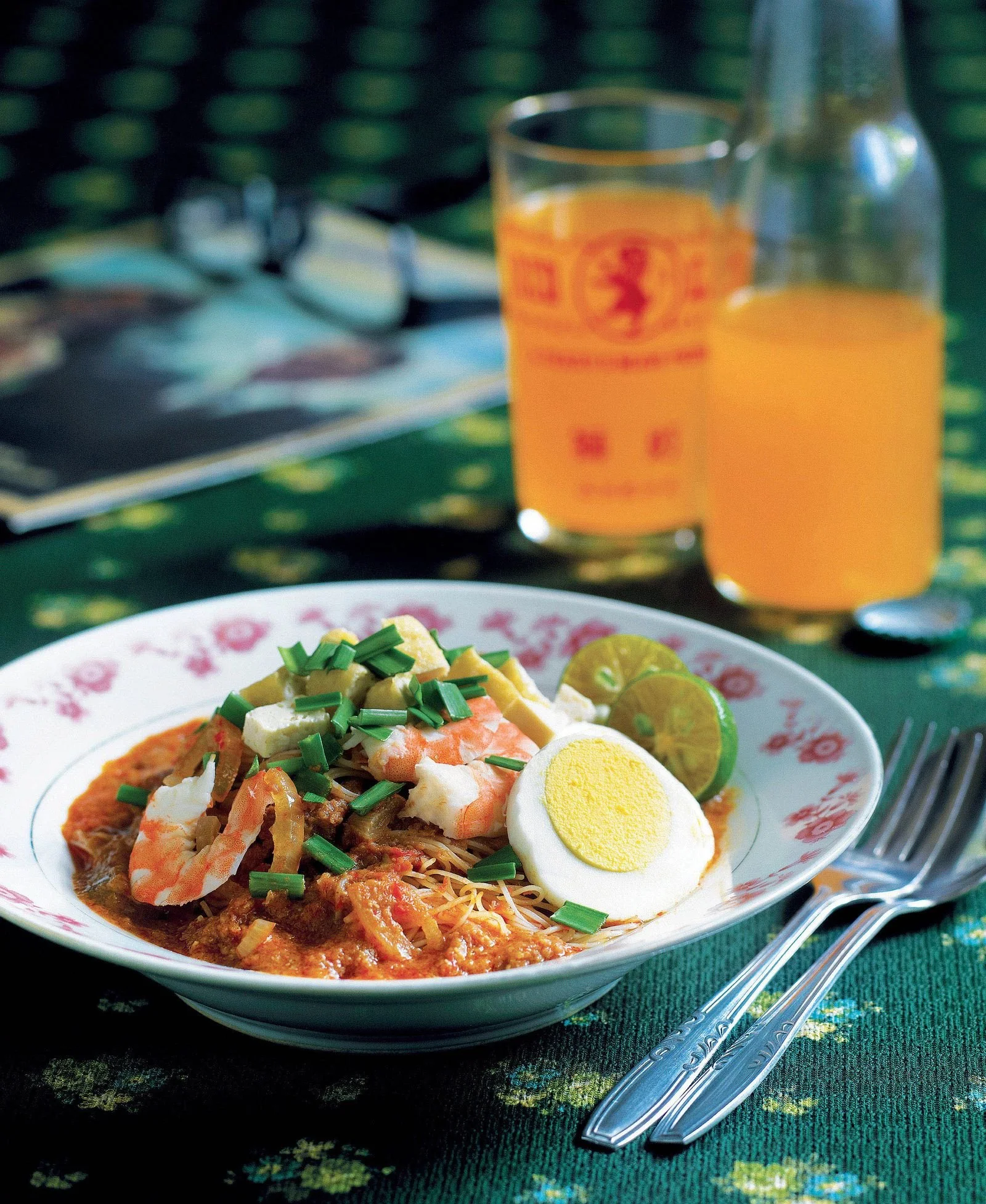
Mee Siam from Growing Up In A Nonya Kitchen by Sharon Wee
Champur was recognized by The Gourmand Cookbook Awards as a national winner for Malaysia. Congratulations! Seeing as you had self-published the book, you must have been beyond thrilled, maybe even surprised, by this award?
It was a real surprise. I had written to them asking about how I go about submitting an entry for the awards and whether they needed me to send them a copy of the book. I never had a reply… until I received the official notification that I had won for Malaysia! They somehow must have gotten a copy themselves. I looked at all the other candidates that had submitted entries and I thought gosh there were people with such amazing backgrounds, and here I was who had produced something so simple!
What do you have next on the horizon?
I have been signed up as a senior lecturer in Taylor’s University, I have been offered to write another book, a kind of ode or tribute to Malaysia, all the different cuisines or all the different states. Let’s hope that works out! In the meantime, I am doing a lot of collaborations.
Before we part company, would you share with us your top 5 ingredients or condiments that your pantry would never be without?
Oil (a good selection including grape seed, olive, avocado, coconut and rice bran oil), salt, sugar, cumin seeds and dried chillies!
Featured recipes
View the full collection
About the authors
Jasvinder Karam, fondly known as Jessie, is a Malaysian lawyer-turned-cookbook author best known for her debut culinary book, Champur: Flavours from a Malaysian Home. Born in Petaling Jaya and raised in Kuala Lumpur, the 61-year-old author uses her food to celebrate Malaysia’s multicultural heritage.
Nadia Aramugam is ckbk’s co-founder. She is an Association of Food Journalists award-winning food writer, editor, and cookbook author. Her writing and recipes have appeared in numerous publications and websites including Fine Cooking, Saveur, Condé Nast Traveller, Epicurious, Prevention and The Atlantic.com, and she has been a food columnist for Forbes.com and Slate. Nadia is also the author of the cookbooks Women Chefs of New York, Chop, Sizzle & Stir and 1000 Sauces, Dips and Dressings. Nadia was born in Malaysia, raised in London, and now lives in New York City.
Champur is available in full to ckbk Premium Members. Print copies can be purchased here.
More ckbk features
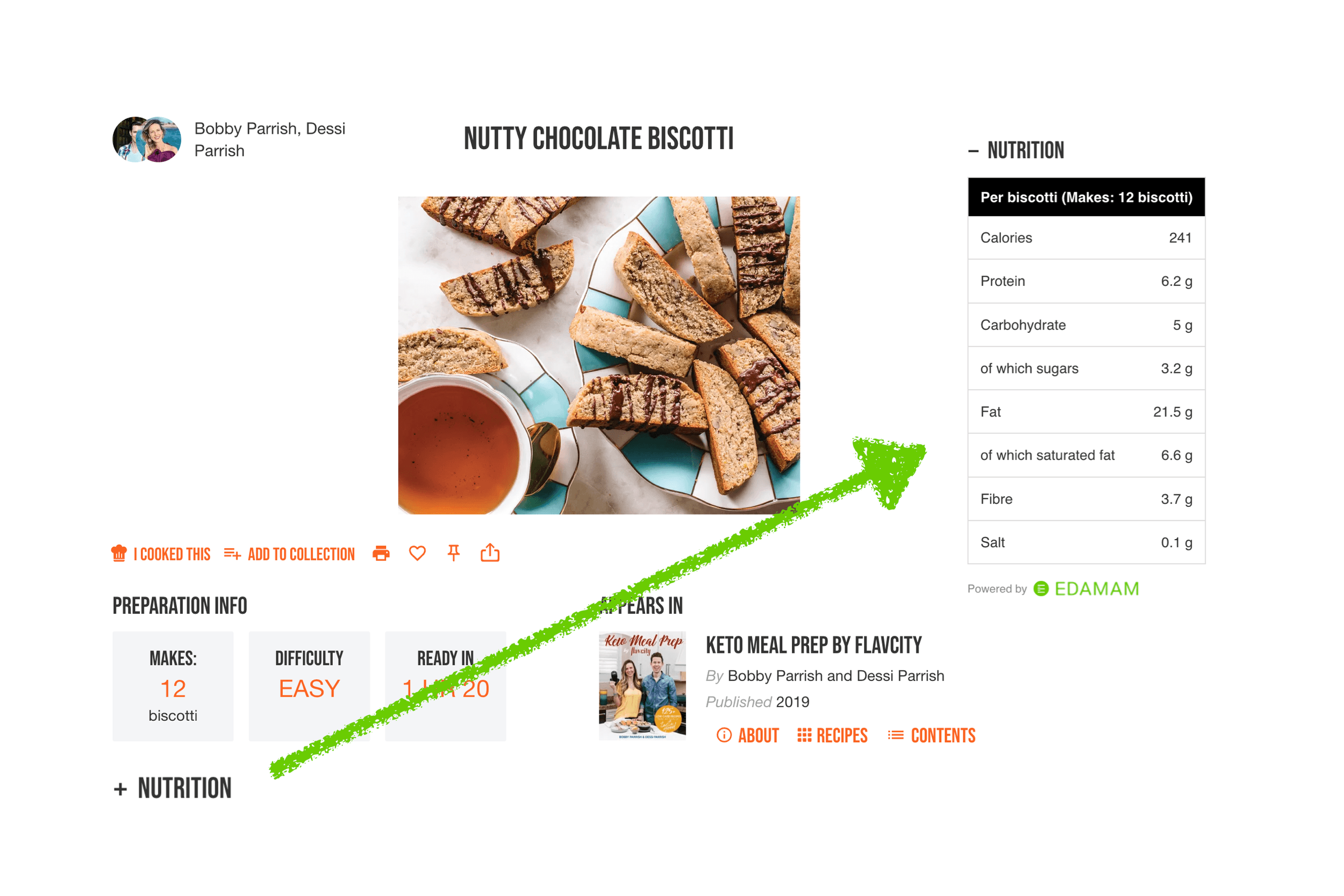
See nutritional information for any recipe on ckbk, make use of additional diet filters, and set your personal dietary preferences
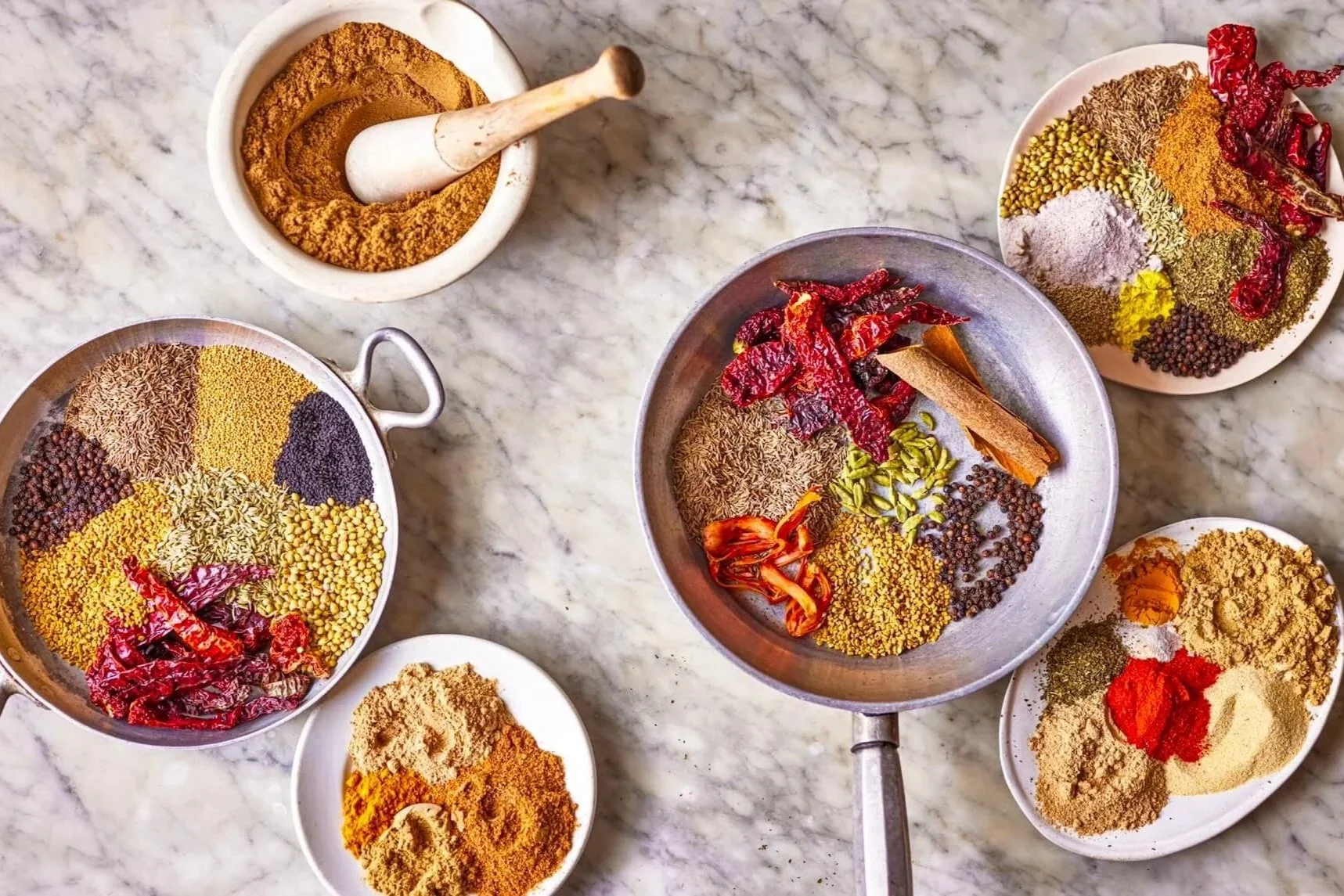
Chef and culinary consultant Anjula Devi explains how her book 15 Minute Indian ‘turns some of the rules of traditional Indian cooking on their head’
Cookbook enthusiast and ckbk user Amanda Carroll extols the virtues of this lemon and garlic sauce from the Middle East