
In Conversation: Food in Fiction—Orlando Murrin & Catherine Kurtz
Orlando Murrin and Catherine Kurtz are both food writers who have branched out to also write fiction. Orlando’s hugely popular crime series, starring a chef detective, includes Knife Skills for Beginners, and most recently Murder Below Deck (published as May Contain Murder in the US and Canada). Catherine’s debut novel Feast (published on June 4) is the story of a girl with an extraordinary sense of taste. We caught up with the two of them to talk food, fiction, and more…
We have two copies of each of these new books to give away! Visit ckbk on Instagram where you can enter to win a copy of Feast and Murder Below Deck.
Catherine Kurtz: In my experience, many of us who write about food have been obsessed since childhood. What is your earliest memory of food speaking to you?
Orlando Murrin: I wasn’t a picky eater as a child, but I disliked strong flavours and salty foods. I was teased about this, particularly by my brother, until it became a sort of entrenched position. It wasn’t till my twenties that I started to enjoy punchy flavours (cheese, bacon, sausages, mustard and coffee, for instance) and now I couldn’t live without them.
CK: That’s so interesting! I was the opposite, so many of my childhood memories are all about food. My mother’s carrot cake was, and is, glorious. I remember her taking it to friends’ houses, when it was one of those events where each family brought a dish. And I was always just SO proud that that was my mother, our cake. It is the perfect balance of sweet and nutty, always moreish, the icing soft and tangy to offset the sweeter cake. Bliss!
There’s always good food in children’s stories too, isn’t there.
OM: I loved stories about animals—as long as they had happy endings—and my favourite was The Wind In The Willows. I may not have fancied everything in Ratty’s picnic basket (coldtonguecoldhamcoldbeefpickledgherkinssaladfrenchrollscresssandwichespottedmeatgingerbeer etc) but I’d sure like to have been on the riverbank with him and Mole enjoying the conversation and fine spring weather.
CK: As a natural greedy guts I was always compelled by Bruce Bogtrotter and his forced over-consumption of chocolate cake in Matilda. Would it put you off? I am not sure it would me! The doped-up raisins they use to drug pheasants in Danny the Champion of the World always grabbed me too. I’ve always liked rum and raisin ice cream.
What was your impetus to start writing about food?

OM: My first job was at Radio Times sub-editing classical music listings. After that I moved on to lifestyle magazines, specialising in houses, gardens and celebrities. I always loved entertaining and one Sunday lunch, friends suggested I should enter this new TV cooking competition called MasterChef. After getting through to the semi-final, I found myself reborn as a food writer.
CK: MasterChef, wow! I’d not last a single cook. I’ve taken a circuitous route through food writing, to fiction, alongside my career as an artist, which is a profession that always leaves a necessity to work at other jobs for a regular wage. I was determined to somehow turn my obsession with food into something lucrative, and I was offered a column, a sort of ‘tales from my kitchen’ in a popular baking magazine. I also fell into the world of chocolate, found I had a useful palate, and became an international chocolate judge.
Tell me about a food writing project that you really loved working on?
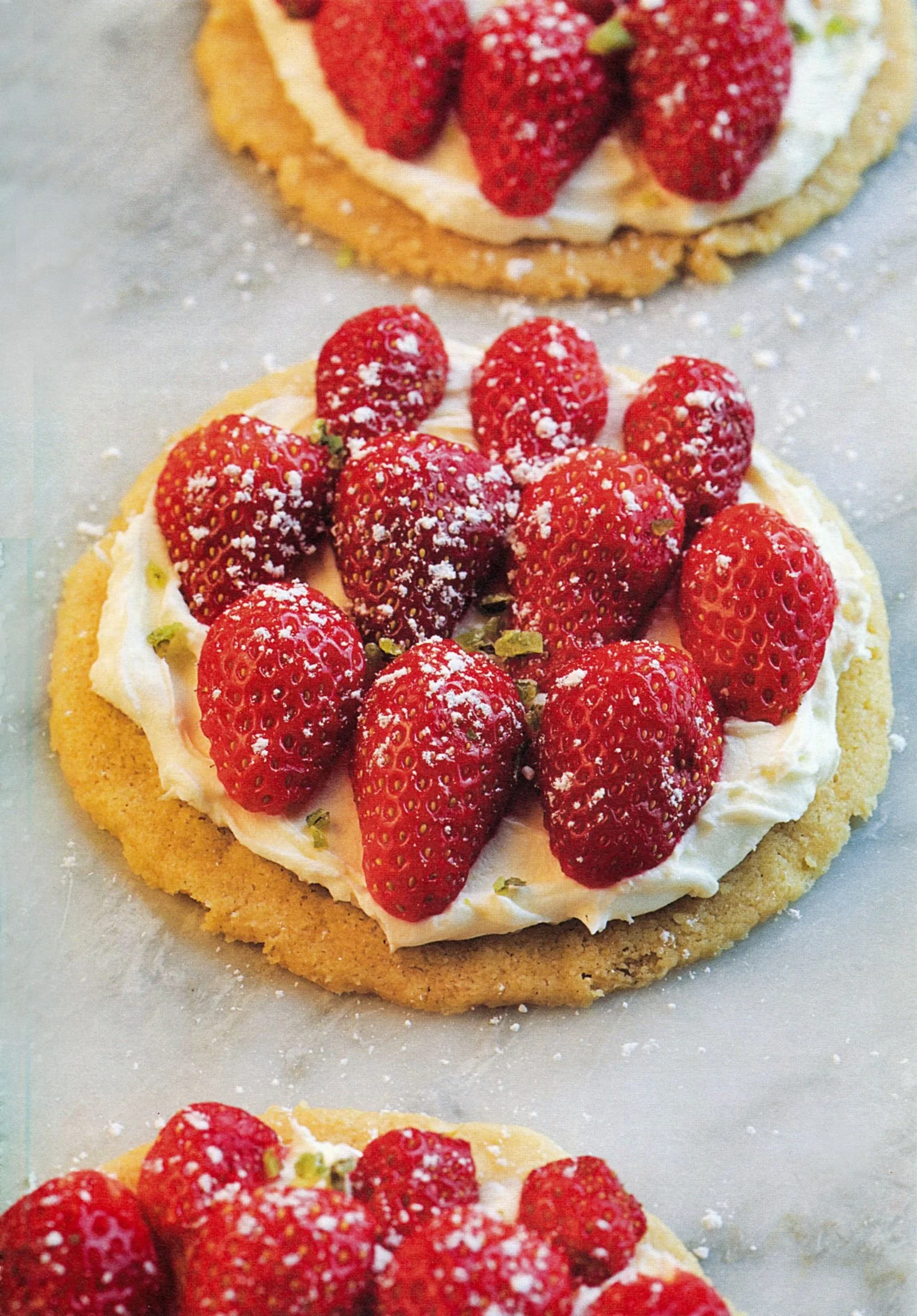
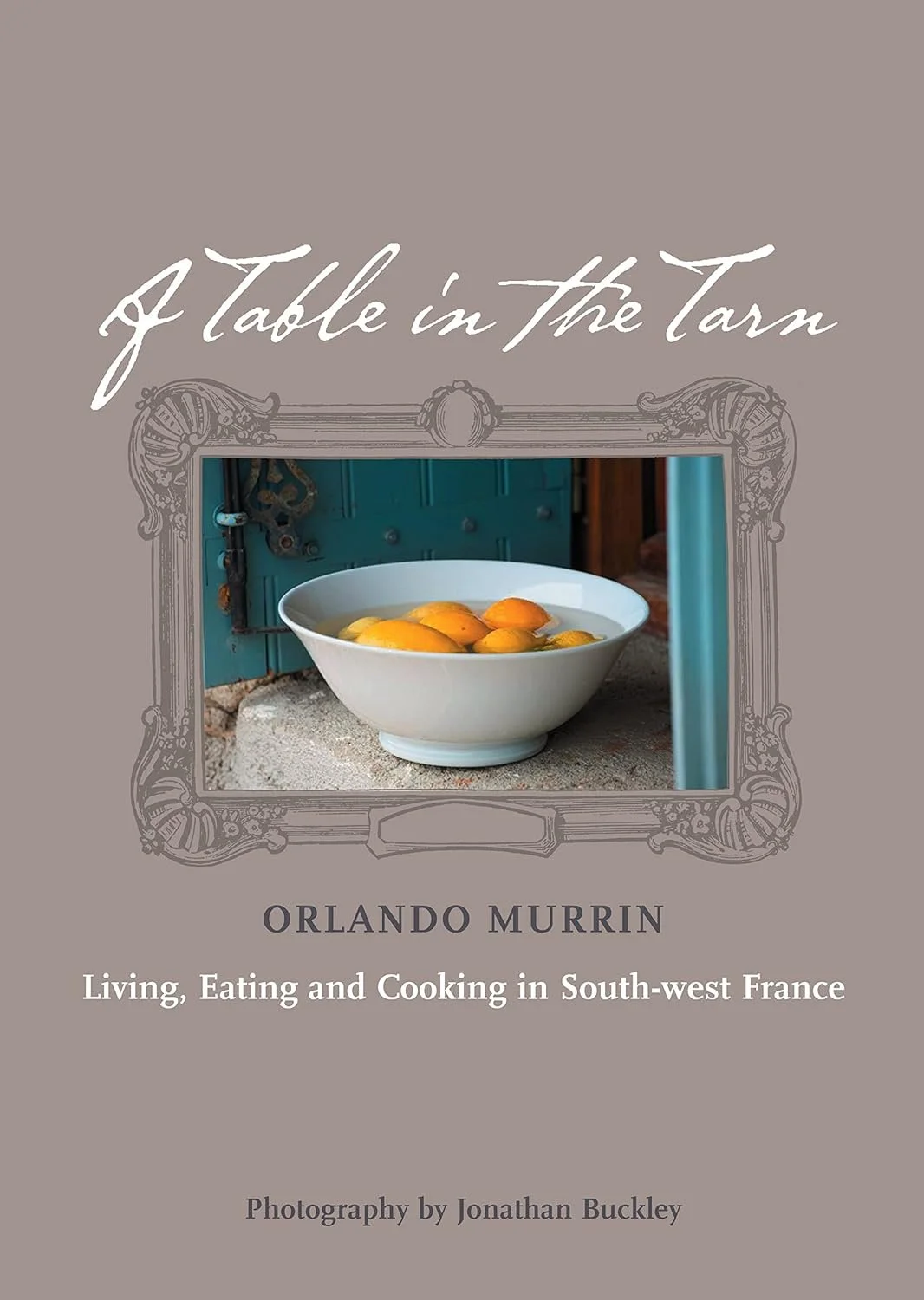
OM: In 2004, pursuing a romantic dream I’d had for many years, I took off for South West France to set up a gastronomic B&B. A Table In The Tarn tells the story of Le Manoir de Raynaudes, and the recipes we served. I’m proud that the book is now considered a minor classic, and is available on ckbk.
CK: Oh that sounds wonderful, I wish I had been to visit!
My favourite project was probably writing Sex & Drugs & Sausage Rolls with chef Graham Garrett—written under my food writing pseudonym Cat Black. It involved talking to Graham over endless cups of tea, hearing his extraordinary life story, and documenting that story in the book. Before, during, and after which, I got to eat a lot of his food. He remains a close friend, and I have never eaten better food than his.
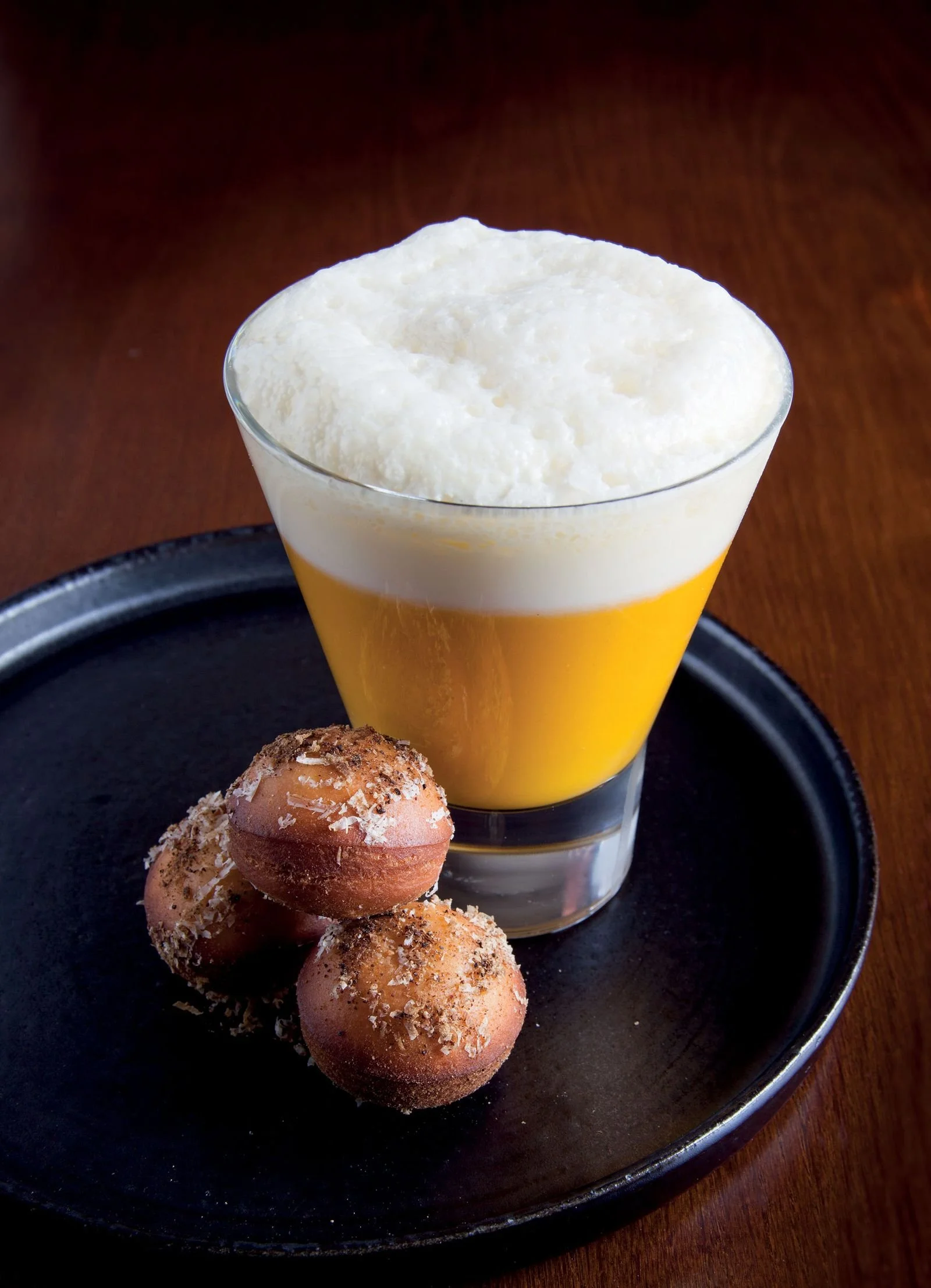
Irish-Coffee, Cep-and Parmesan-Doughnuts from Sex & Drugs & Sausage Rolls by Graham Garrett and Cat Black
When did you start writing fiction?
OM: My move into fiction came later. My granddad was a detective and used to regale us as kids with stories about gruesome murders he’d solved. I always dreamed of writing a whodunit and at some point realised I needed to get on and do it, as time was running out.
CK: I’m so glad you did! I love your stories.
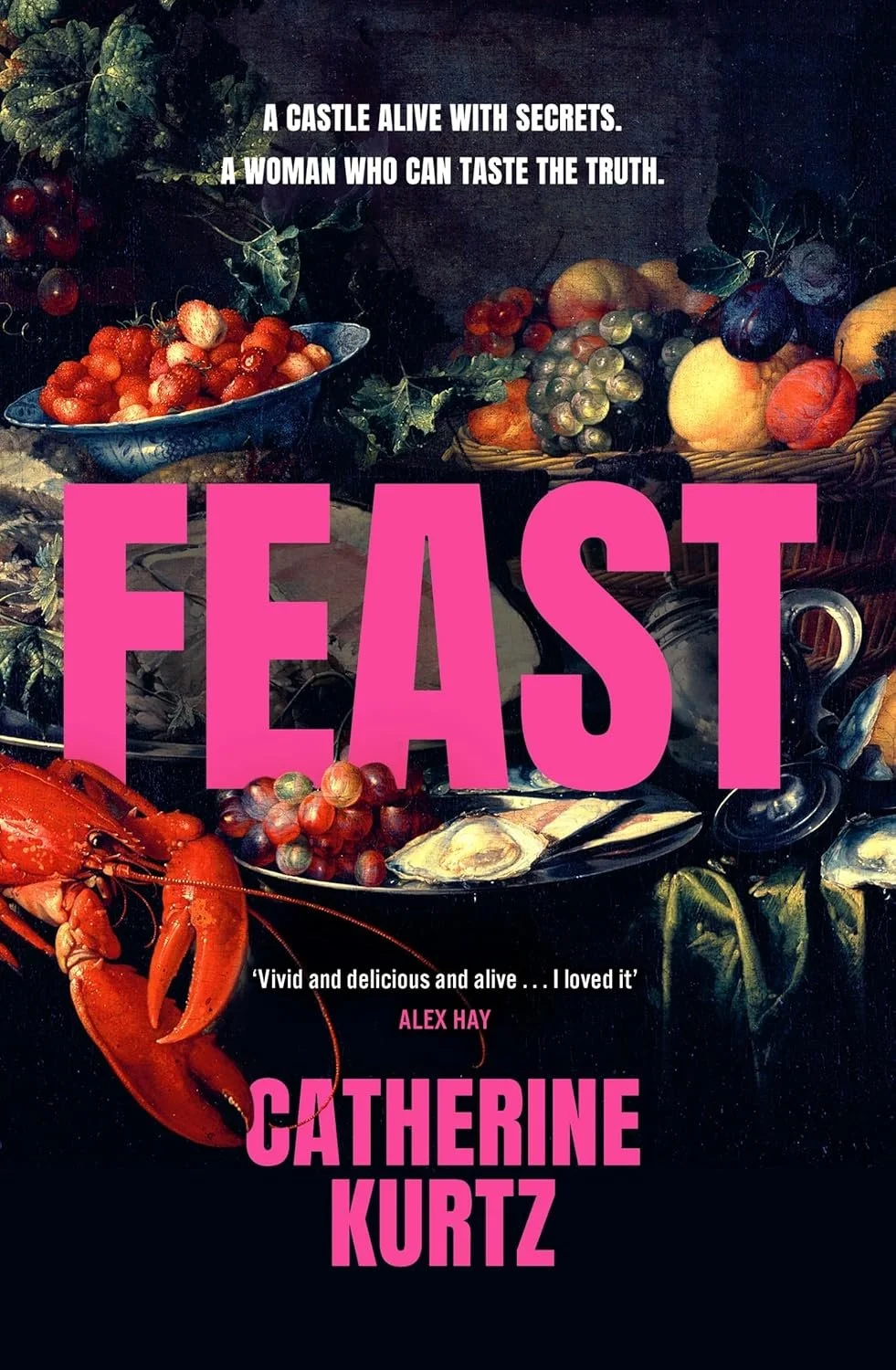
For me, I am, at heart, an introspective person, an artist. As a painter I am represented by The Redfern Gallery in London. My favourite thing about writing is storytelling, is fiction. In 2023 I was fortunate to be offered representation by a top literary agent, Abi Fellows, and deals with Dialogue/Hachette in the UK, and Berkley/Penguin in the US, followed for my debut novel Feast.
Feast is the story of Minha, a mixed-race girl with an extraordinary sense of taste—make of that what you will! I wrote the story to consider the experience of being female, and unconventional, within our society. And to write some real and emotional truths about belonging, difference, motherhood, and attitudes towards female appetite. We should not have cause to ask; what does the world do to our wonderful vibrant girls? What does it make of diversity and difference? But we do. So, we must.
A very different flavour of book to your crime novels, but hopefully also compelling. Tell me a bit about your novels for our ckbk readers. And the role food plays in them.
OM: Knife Skills For Beginners is the story of hapless chef Paul Delamare who is persuaded to teach a course at a posh cookery school by an old friend who has had an accident. It all goes horrifically wrong and he finds himself framed for murder. In the sequel, Murder Below Deck (published as May Contain Murder in the US and Canada) poor old Paul is invited to join rich friends for a cruise on superyacht Maldemer and is subjected to a cavalcade of horrors, including another murder, being thrown overboard and a terrifying Atlantic storm.
If all this sounds grim, don’t worry – they’re black comedies, described by one critic as ‘absolutely hilarious’.
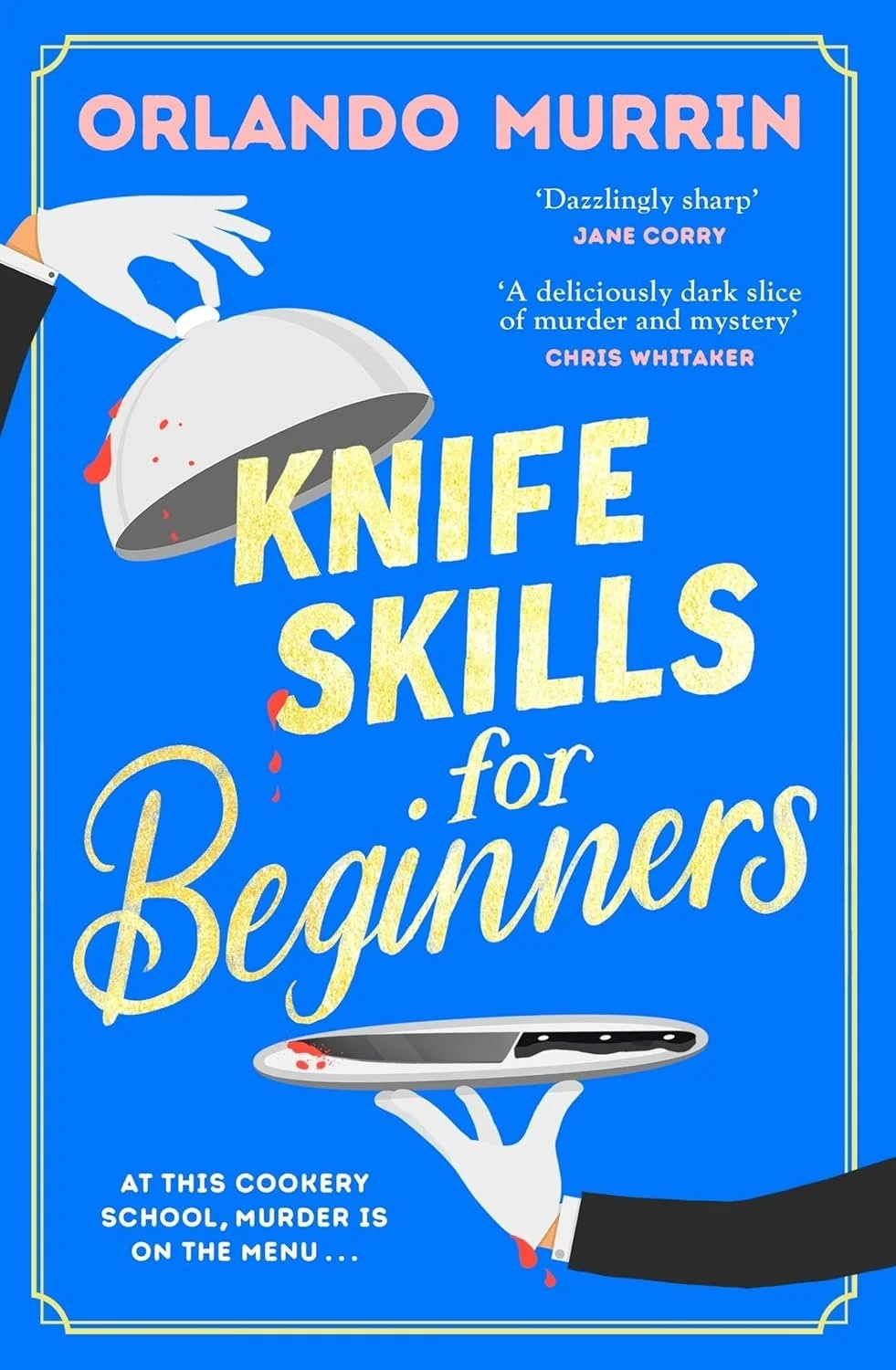
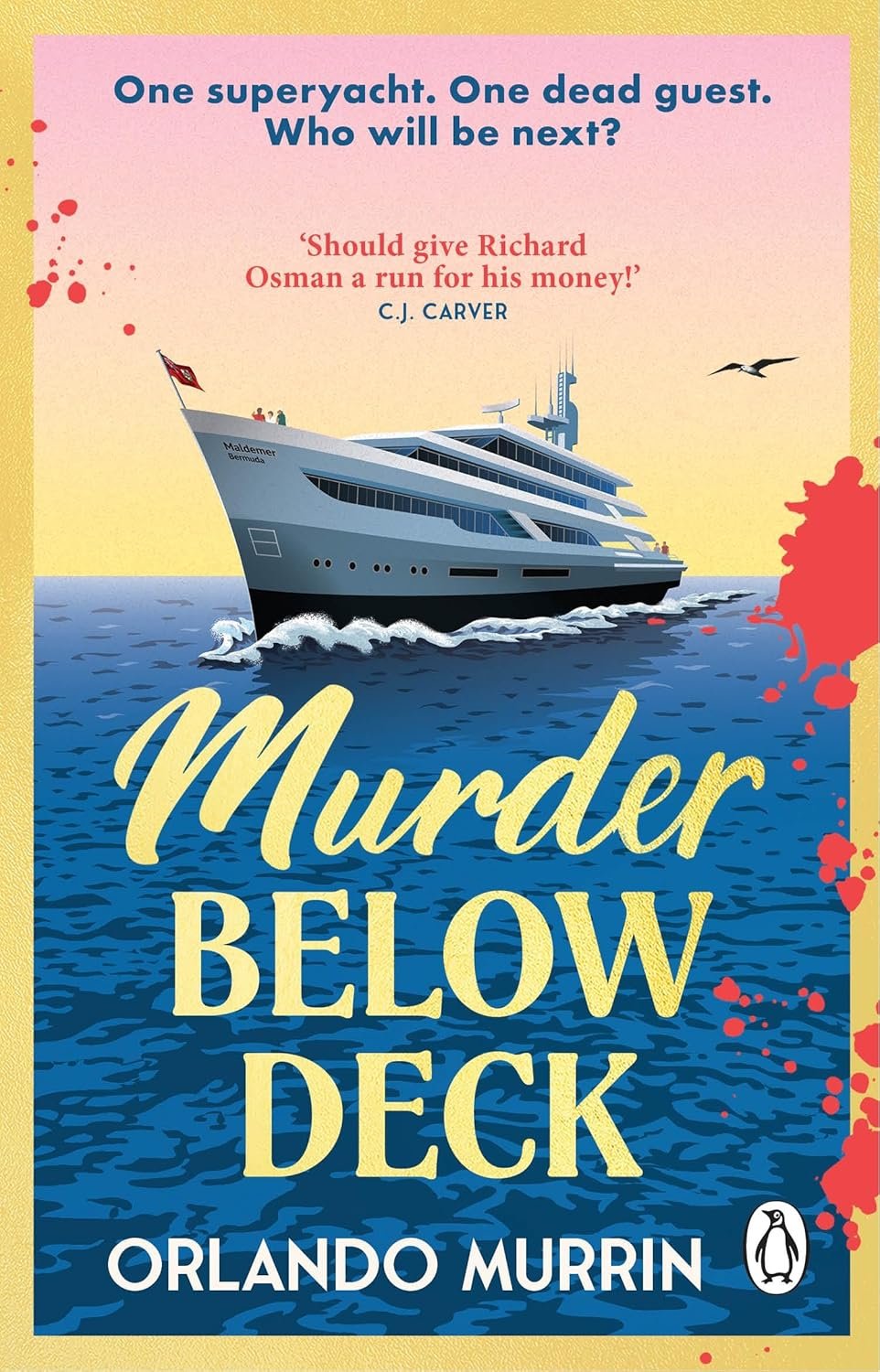
My hero is a talented chef and both books include some of his choice recipes. These are real working recipes, devised and tested by me, then double-tested and photographed by Angela Nilsen, one of the most talented food editors in the business. You can find the recipes on my website.
CK: ‘Black comedies’ is a good description, as there is so much humour there. Poor Paul!
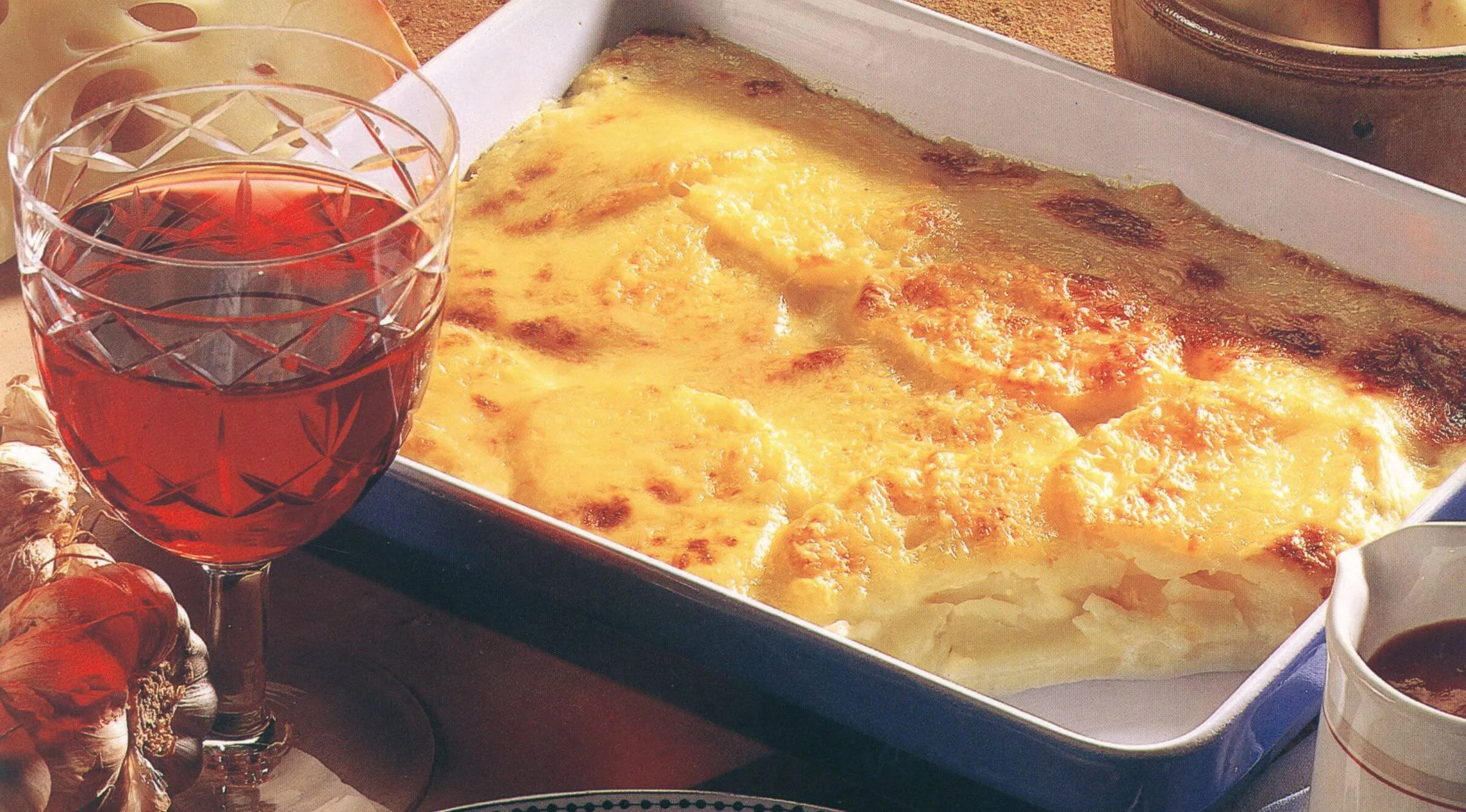
I’m dealing with some serious subjects too. But Feast is a celebration of how rich and vivid life can be, even with its challenges. With much of the novel set in the fairytale Château de Bellefalaise in late 19th century France, and the whole of it lived through Minha’s exceptional senses, it is full immersion into a world loaded with all that is delicious and decadent. The book is a filled with food; from a simple meat pie that means a lot to her as a girl in London, to the rich dishes created by the French chef whose food she is employed to taste—think roast duck and gratin dauphinois, castles of meringue and moats of sweet sabayon. We evidently share a love of French food!
I’m interested in how chefs eat day to day—not being a chef myself. Do you get hungry writing about food? How does food fuel the writer?
OM: I don’t get hungry while I work—if I’m in mid-flow I usually forget to eat altogether—but I do get terribly cold. My theory—unconfirmed by medical science—is that all my blood flows to my brain, leaving my extremities freezing. I now have a log burner to keep me warm while I work, plus a plug-in heated pad borrowed from my cats if necessary.
CK: I get so cold too! I’m usually wearing a lot. I do stop regularly for chocolate breaks. I start work very early, and it’s true I can’t eat a lot until I am done for the day, or else I get a bit dull and slow. But lunch is essential, and is usually something like a salade niçoise, or some cheese and leftover roast vegetables.
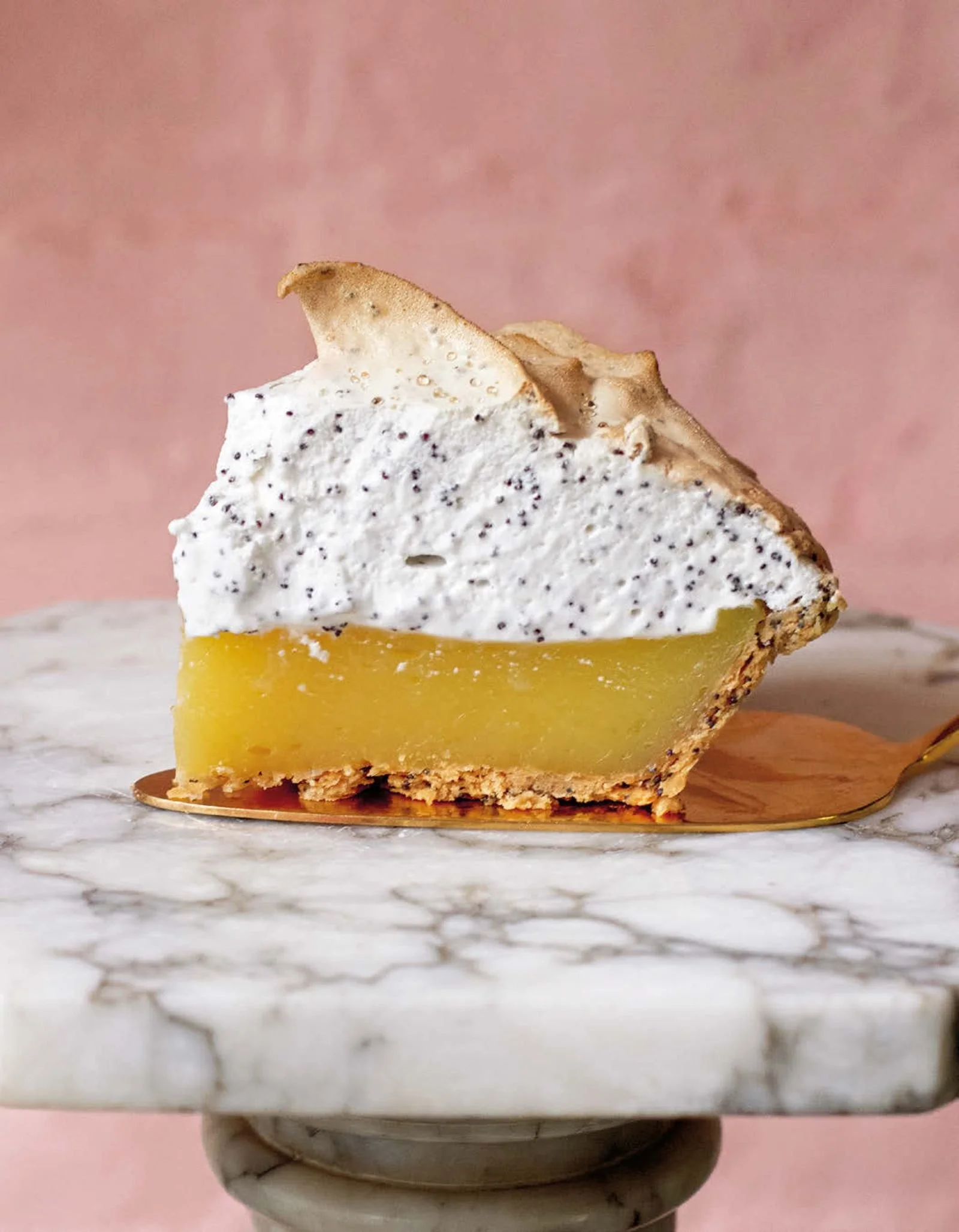
Writing about food I often make myself hungry! But I do love stories with food in them, so I press on. I adored the film The Taste of Things, starring Juliette Binoche, which is an absolute feast of a film. Pierre Gagnaire was the culinary advisor to the film, and it shows—ckbk even compiled a Menu Inspired by The Taste of Things. But I think my favourite food ever featured in a story is the picnic in Harold and the Purple Crayon, simply because he draws the “nine types of pie that Harold liked best”, which always has me imagining which pies that is—chicken pie, mushroom pie, apple pie, lemon meringue pie…
OM: I just read Barbara Pym’s The Sweet Dove Died (published in 1978, written much earlier) and was thrilled to find a cheeky reference to Robert Carrier. He’s one of my all-time favourite food writers and we became friends in his later years. Elsewhere she raves about Fuller’s Walnut Cake (mentioned also by Evelyn Waugh and Nancy Mitford), a walnut sponge filled with vanilla buttercream and topped with seven-minute frosting which was served at the famous tea shop. Delectable but quite a fiddle to make. [Fuller’s walnut cakes are remembered fondly by ckbk authors, with versions also offered by Caroline Conran, Geraldene Holt and Louise Johncox]
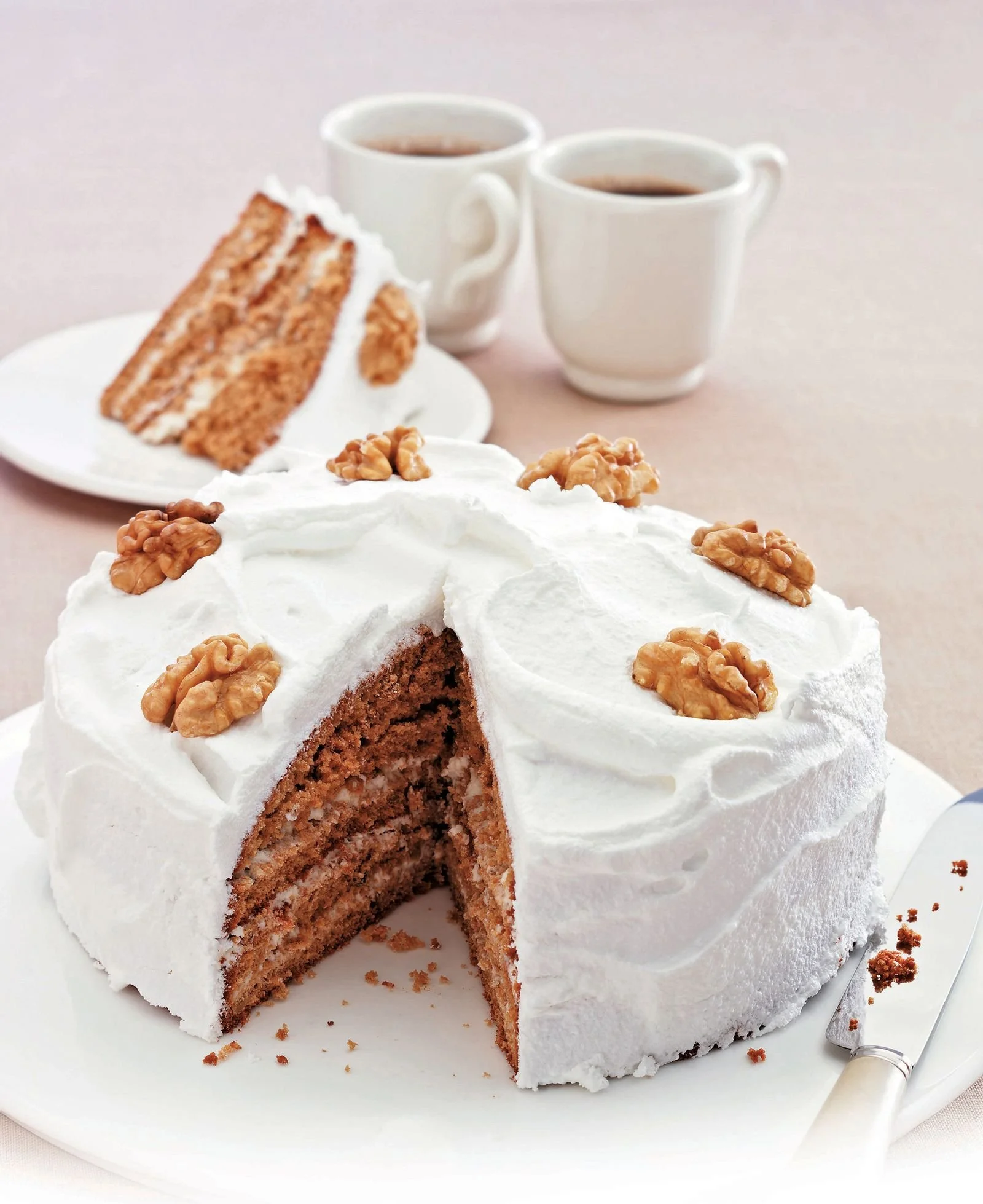
CK: That sounds like a proper old school cake. Next time we get together we should do it over cake! I’ll bake if you like, but I’m better at carrot cake!
Parmesan Bites (from Knife Skills for Beginners by Orlando Murrin)
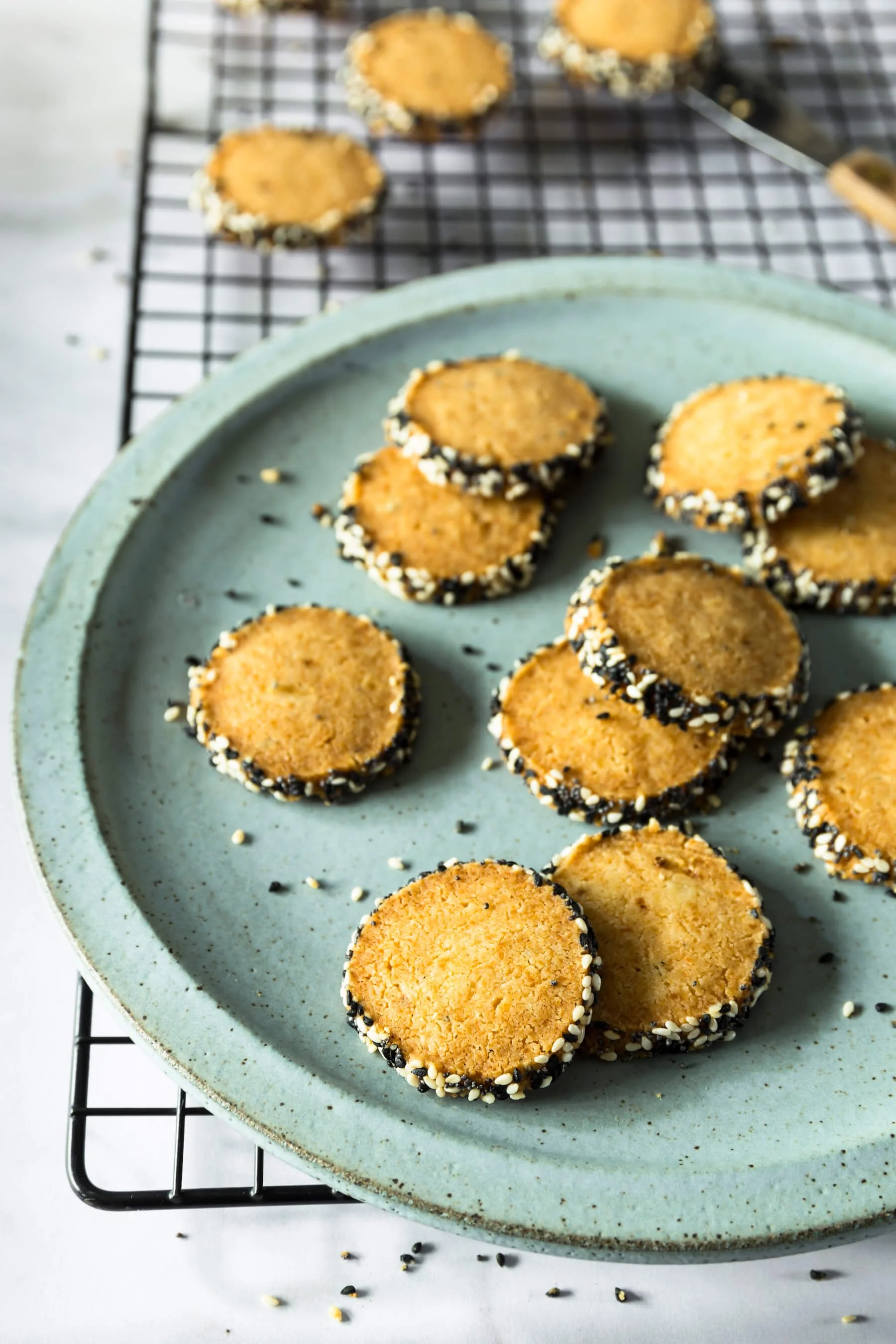
Photo: Angela Nilsen
Makes 50-60
These keep well in a tin and are excellent with sherry. The key is not to add water to the dough. I discovered by accident that they taste better if you slightly overbake them.
Process into a dough 170g plain flour, 150g each of grated Parmigiano Reggiano and chilled, cubed butter, 1 teaspoon freshly ground black pepper, ½ teaspoon flaky salt and ¼ teaspoon cayenne pepper.
Roll into two neat cylinders about an inch in diameter and chill until firm. Brush with beaten egg and roll in a mixture of sesame, nigella and poppyseeds (2 tablespoons of each) and chill again.
Slice into thick coins and bake at 180°C/160°C fan/350°F for about 18 minutes until darkly golden.
About the authors
Orlando Murrin was flung into the culinary limelight as a semi-finalist on Masterchef. He went on to edit BBC Good Food for six years and founded Olive magazine; then switched track to become a chef-hotelier in SW France and Somerset. He has written seven cookbooks and is President of the Guild of Food Writers. An ever-popular guest on TV and radio, he presents the BBC Good Food Podcast with Tom Kerridge. From his grandfather, a Met detective who rose to become a crack MI5 interrogator, he inherited a fascination with crime and mystery. He lives in domestic bliss in Exeter, Devon.
Catherine Kurtz (who writes on food as Cat Black) was born in Cambridge, was brought up in London and now lives in Kent. She completed an art foundation at Wimbledon School of Art before studying fine art at Chelsea School of Art. Upon graduating, Kurtz was made artist-in-residence at the Royal Ballet School. She is a painter represented by The Redfern Gallery, a member of the Guild of Food Writers, and grand jury member of the International Chocolate Awards. Her journalism has been published in a variety of publications including the Spectator’s Scoff, Harvest, ckbk and Celebrated Living. In her fiction she explores the female experience, her mixed-race heritage and the power of creativity. She has an MA in creative writing from West Dean College and is currently working on her next exhibition and her next novel.
More ckbk features

Look back on the recipes you’ve cooked to track your progress, and to see which dishes are due to be repeated

Chef Clare Coghill shares her tips for foraging, including recipes with wild garlic, and with fragrant yellow gorse flowers
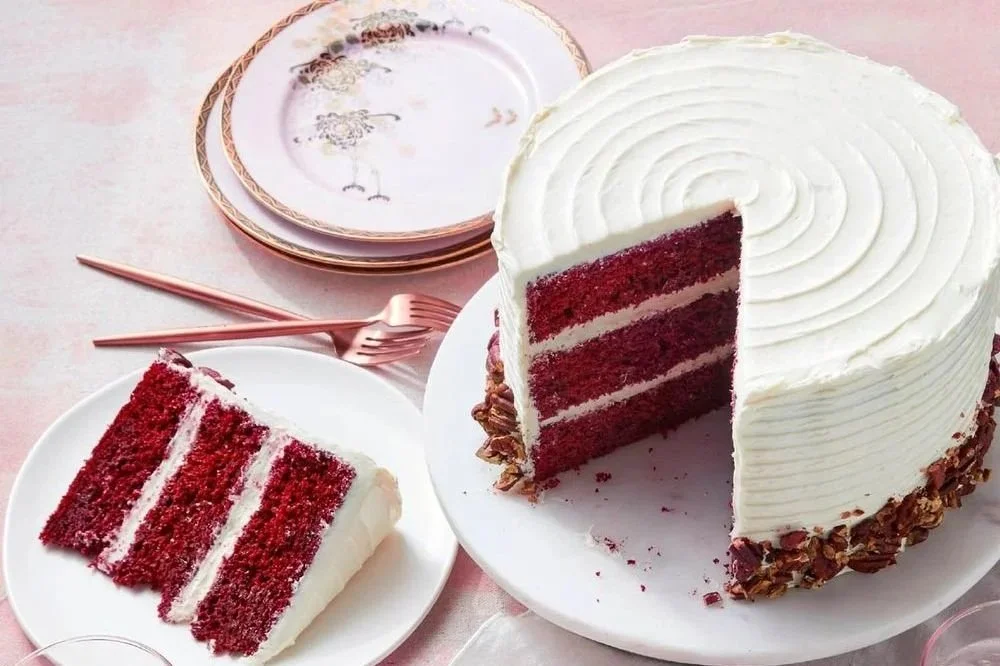
Pastry chef and cookbook obsessive Luciana Corrrêa offer a beginner’s guide to cakes and cake-making