
Author Profile: Shaun Hill
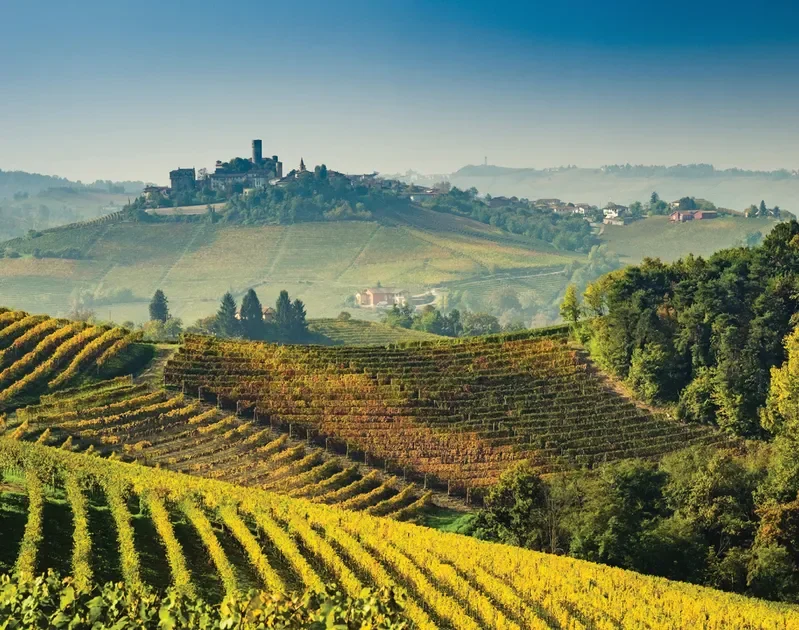
To travel through Italy’s food is to travel through its landscapes: alpine valleys, rice fields, olive groves, fishing ports and bustling city markets. The country’s cuisine isn’t one story but many, each region bringing its own flavors, techniques and beloved dishes to the table.
From the butter-rich dishes of Lombardy to the seafood cookery of Sardinia and Sicily, every region has its own culinary identity. And with two more books by Antonio Carluccio and Gennaro Contaldo – Two Greedy Italians and Two Greedy Italians Eat Italy – arriving on ckbk, there’s never been a better time to take a tour through Italy’s extraordinary regional food traditions. Greedy or otherwise.
What emerges from the Italian cookbooks on ckbk is not a single cuisine but a mosaic of local specialties, family traditions and fiercely protected recipes. You may know pizza, pasta and risotto, but Italy’s regional cooking offers so much more.
Focaccia, fish and walnut sauce
In The Italian Regional Cookbook, Valentina Harris celebrates the diversity and wonder of Italy’s regional cuisine from the classic Ragù alla Bolognese from Emilia Romagna to the Tortiera di Carciofi from Calabria.
The crescent-shaped coastline of Liguria in north-western Italy, is home to some of Italy’s most distinctive flavours and is one of Harris’ many stops in her exploration of regional cuisine. Try her Focaccia di Recco, the dimpled salt-crusted focaccia that has become one of the region’s defining dishes.
Harris also includes a rich Ligurian Walnut Sauce, traditionally served with stuffed pasta but equally good spooned over fresh tagliatelle. Italian food expert Fred Plotkin tells us that Liguria “may be as close to paradise as one can find on this earth”, no wonder his delightful cookbook focussed on the Italian riviera is called Recipes from Paradise.
Our Ligurian journey to paradise also takes in Plotkin’s Focaccette, irresistible cheese-filled fried breads from Recco, and Pesce alla Ligure, a simple fish dish that relies entirely on the freshness of the catch.
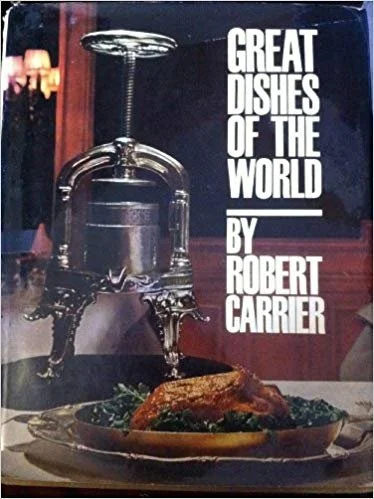
Hill’s formative training came under Robert Carrier, whose influence was both profound and paradoxical. Carrier, author of Great Dishes of the World, brought global cuisine into British consciousness at a time when it was still a novelty. Hill lists this “Top 1000” ckbk book as in his top ten of all time.
“He was very kind to me,” Hill recalls—but also distant, rarely entering the kitchen except to taste sauces. What mattered to Carrier was not technique for its own sake, but the final experience. “He needed it to be tasty… almost a theatrical experience.”
One dish from that era stayed with Hill: “Mr Carrier’s Lamb in Greek Pastry,” featuring seared cutlets topped with mushroom stuffing and foie gras, wrapped in filo pastry. Lamb Chops en Croûte “Rainbow Room” —a variation on this theme, minus the fois gras— appears in Great Dishes of the World. At the time, even sourcing filo required a trip to a specialist Greek Cypriot bakery. The book features what were then exciting and unusual delicacies for UK diners such as Taramasalata and Moussaka.
The food of the period—Steak Diane, Duck à l’orange—was performative, involving elaborate tableside service. “A lot of the food was finished front of house… or set alight,” Hill remembers. But by the mid-1970s, with the rise of nouvelle cuisine, the spotlight shifted. “Suddenly the spotlight moved to the kitchen… the food depended on the ideas and skills of the person cooking it.” For Hill, that shift was liberating.
Gidleigh Park: a star, earned his way
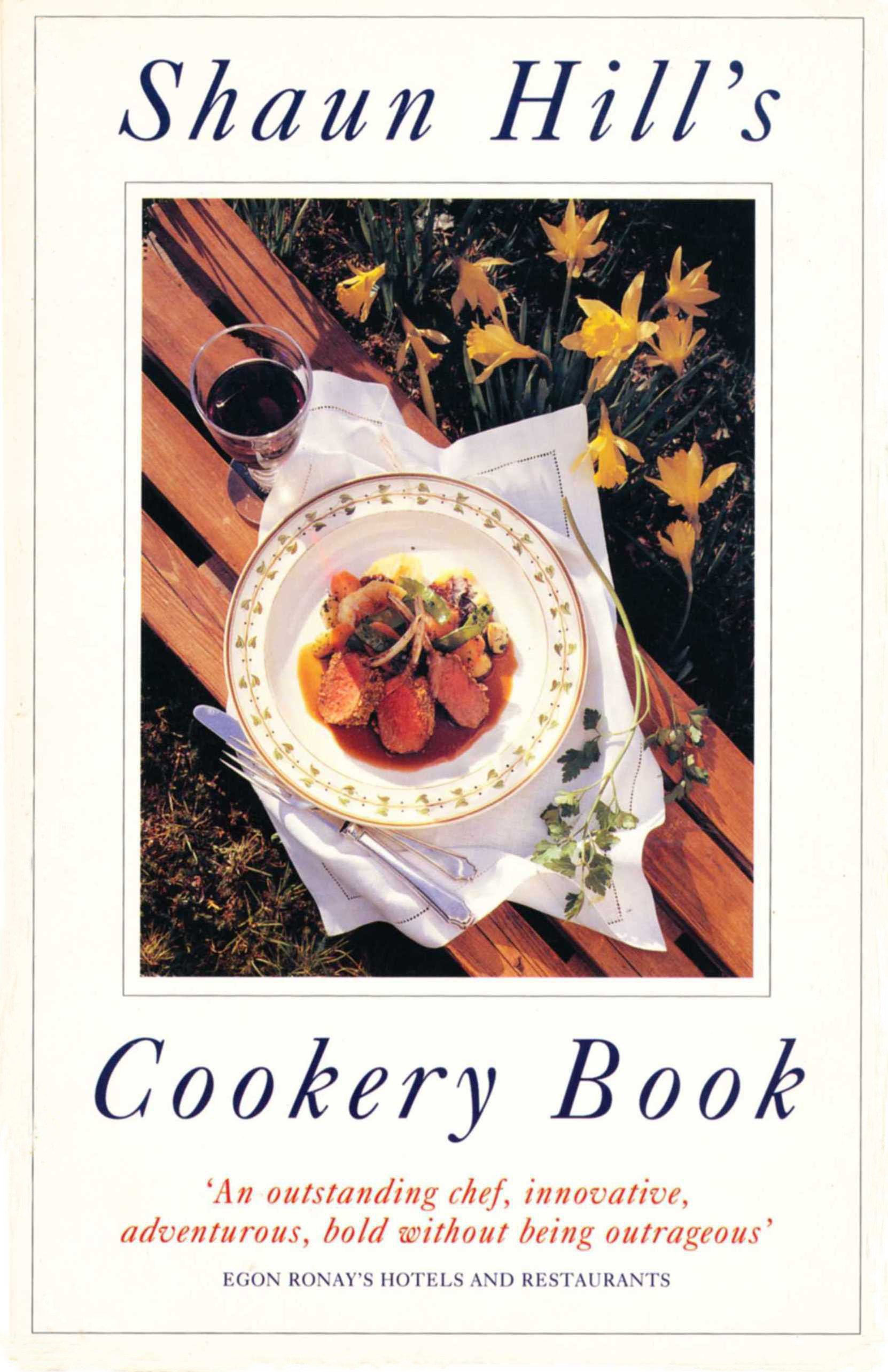
At Gidleigh Park, Hill found the setting that would bring him national recognition. His tenure earned a Michelin star and produced one of his most enduring books: Shaun Hill's Gidleigh Park Cookery Book, later reissued as Shaun Hill's Cookery Book.
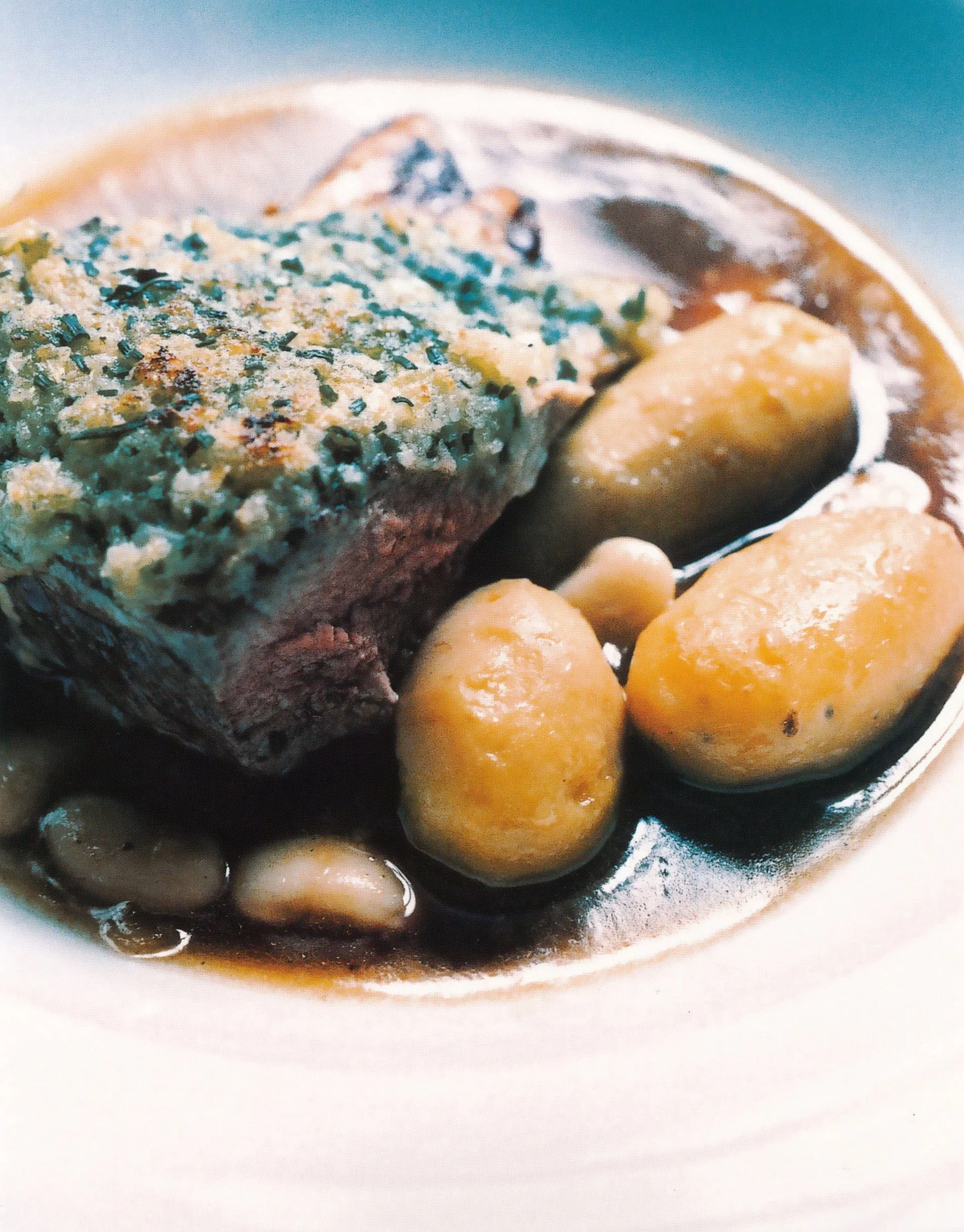
Yet even in this refined environment, Hill resisted prevailing trends. While others embraced the aesthetics of nouvelle cuisine, his food remained “a lot heartier.” Credit, he says, goes to the restaurant’s owner for allowing him that freedom. Think Rabbit and Mustard Ragoût, Calf’s Liver with Watercress and Shallot Sauce, and Rack of Lamb with Parsley served with Gratin Dauphinoise for his style of cooking at that time.
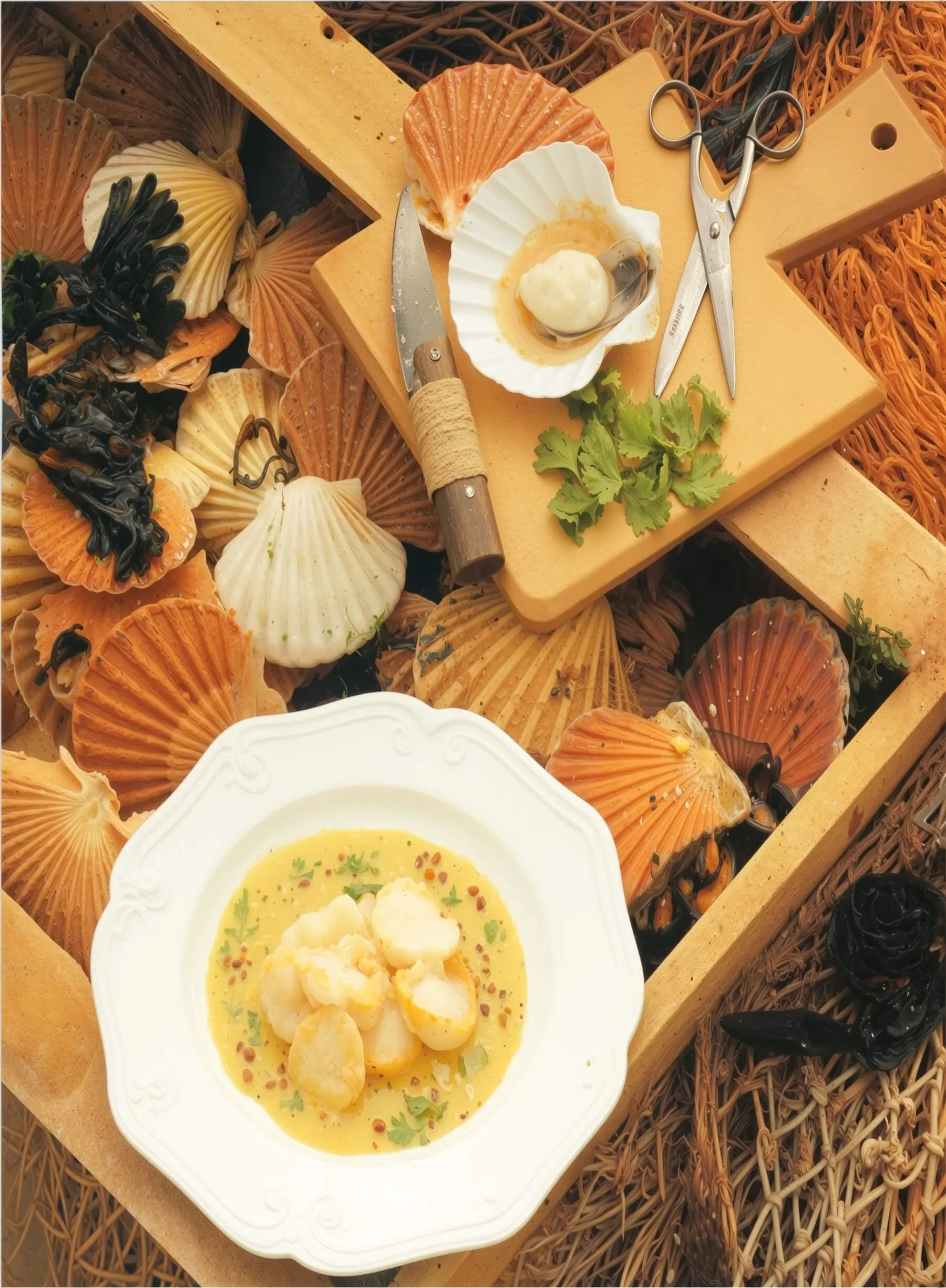
The dishes in this period—and later recorded in his books—showcase Hill’s defining trait: the ability to adapt and improve. His famous Scallops with Lentil and Coriander Sauce, for example, evolved from a langoustine dish he had initially disliked from another restaurant. “I thought it had possibilities,” he explains. The result became “one of the most copied dishes in the country.”
It is a perfect example of Hill’s philosophy: not invention, but intelligent evolution.
The Merchant House: small room, big impact
If Gidleigh Park established Hill, The Merchant House cemented his legend. The tiny Ludlow restaurant—where Hill often worked alone in the kitchen—achieved two Michelin stars and an outsized influence on British dining in the 1990s.
“I was the entire brigade,” he says. The scale was both limitation and liberation. “It allows you to see more of the entire meal,” though “it comes at a price” of not specialising.
The cooking here is captured in Cooking at the Merchant House, a book that reflects the intimacy and precision of the restaurant. Among its defining dishes are deeply flavored, unfussy plates—like Somloi (Hungary’s answer to sherry trifle), which he recalls with fondness, layered with apricot jam, walnuts, rum, and cream.
Despite its modest size, The Merchant House achieved global recognition, ranking among the world’s top restaurants with three consecutive “World's 50 Best” appearances. Hill recounts the absurdity of it: competing with grand establishments while operating with one waiter, his wife Anja and himself.
Cooking, Not Performing: How to Cook Better
By the time Hill published How to Cook Better in 2004, he had little interest in culinary showmanship. The book was conceived as a corrective—a guide to what home cooks might be getting wrong.
“It was a lifetime’s bloody work,” he says of his original ambition to write a full cookery course. Instead, he distilled his thinking into practical advice: balance, proportion, and understanding.
Recipes like his Roast Pheasant Breasts with Braised Legs in Soft Spices illustrate this approach.“I’d had stuffed pheasant in a Gascon restaurant and realised there was things I could do reduce how dry it can be. The breast is fragile but the legs are not the same thing at all - all that running around the farmyard!” So he treats the bird’s legs and breasts differently. Braising one, gently cooking the other, acknowledging their distinct textures and needs.
Salt Is Essential: the philosophy of simplicity
Hill’s most personal book, Salt is Essential, distills his philosophy into its purest form. Now out of print—and hopefully soon to be on ckbk—it remains a key statement of his beliefs.
“Simple things matter,” he says. “Downright impersonal things don’t.”
For Hill, a dish must have a clear centre of gravity: “A Rack of Lamb matters; the garnish does not. The cook’s job is to identify what is essential and get it right, particularly seasoning.”
This focus on fundamentals sets him apart from more experimental chefs. While he has observed movements like molecular gastronomy up close—alongside figures like Heston Blumenthal—he remains unconvinced. “I was much more interested in how gravy and caramelisation works than in doing tricks.”
The Walnut Tree: rebuilding a legend
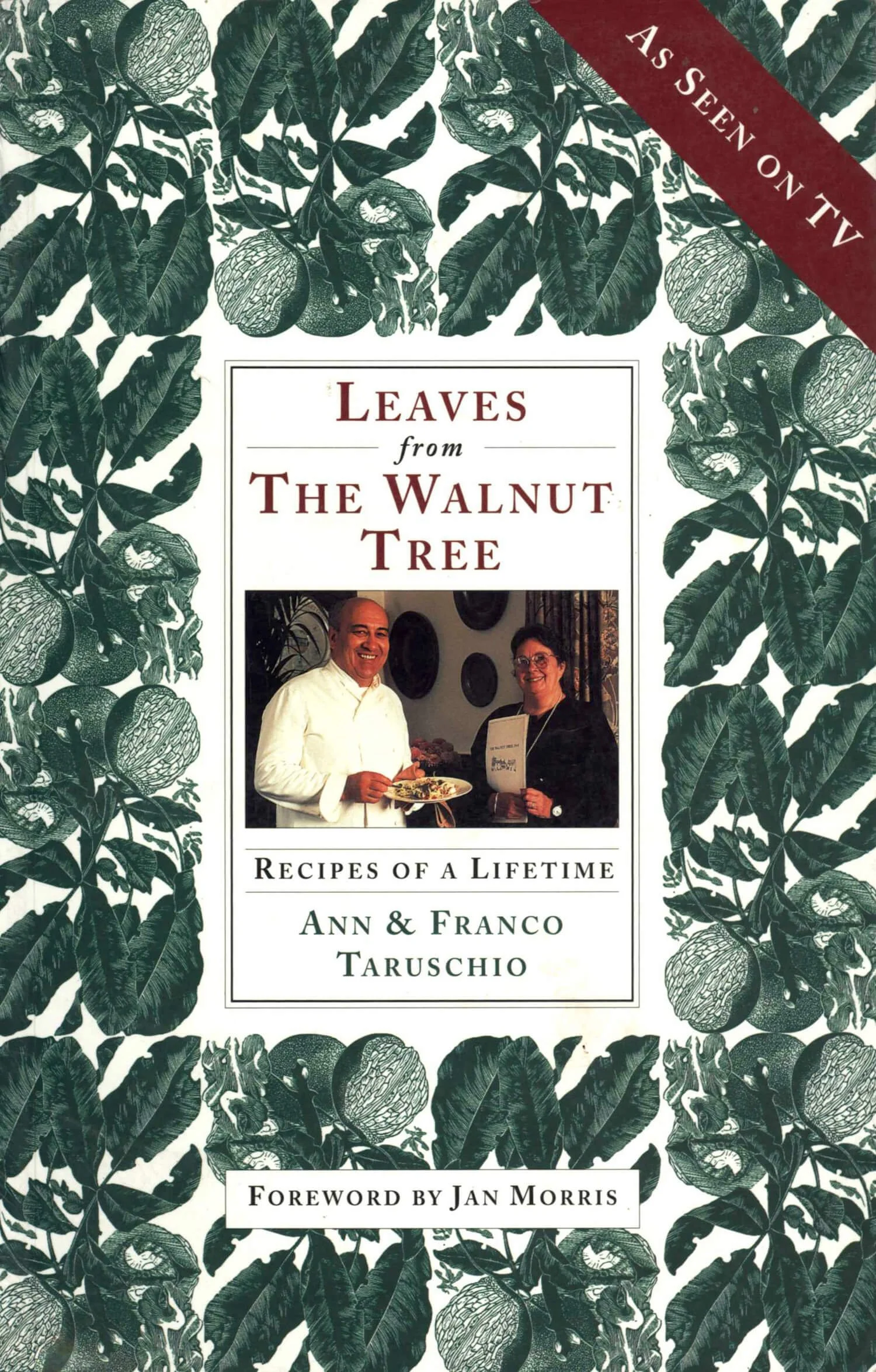
Today, Hill presides over The Walnut Tree, a restaurant with its own storied past. Originally run by Franco Taruschio and Ann Taruschio, it became a beacon of Italian cooking in Britain, documented in Leaves from the Walnut Tree (a classic cookbook of Italian dishes, also part of ckbk’s collection).
After a troubled period under a new owner—including a failed revival featured on Ramsay’s Kitchen Nightmares—Hill took over and rescued its reputation.
His approach was decisive: “I did it by not having anything even vaguely Italian for two years.” Rather than imitate the past, he reset the restaurant’s identity entirely.
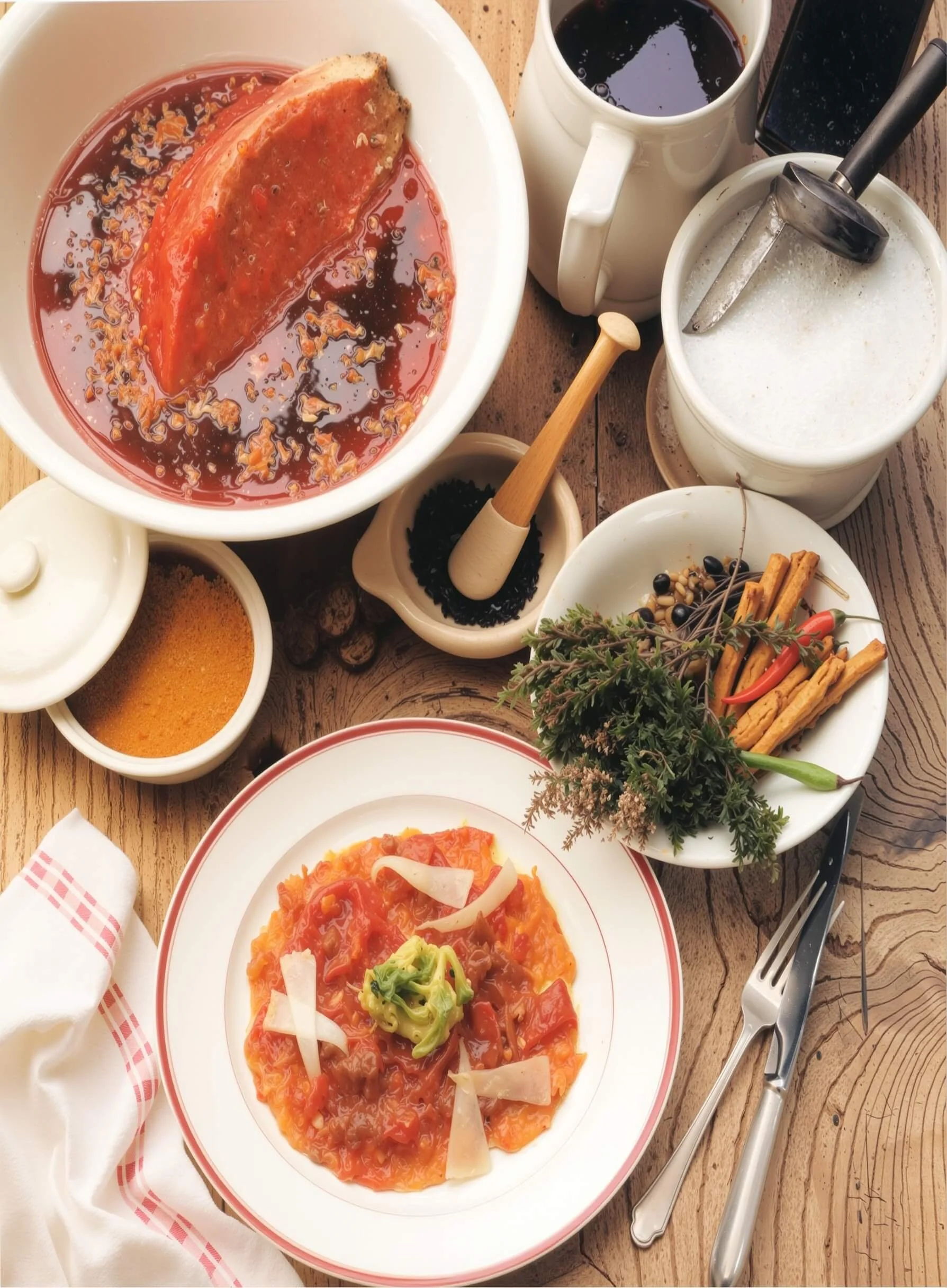
Still, he acknowledges that Italian legacy. Dishes like Taruschio’s Bollito Misto remain points of admiration. “It was absolutely gorgeous,” Hill says. The Bresaola with Baby Leeks in Shaun Hill’s Cookery Book was also inspired by Taruschio.
Anja Hill: partnership in life and the kitchen
No portrait of Shaun Hill is complete without Anja Hill, his Finnish wife, collaborator, and culinary counterbalance.
“When we met, she was a good cook and I could barely do scrambled eggs,” Hill admits. Her influence was immediate and lasting, not just technically but culturally.
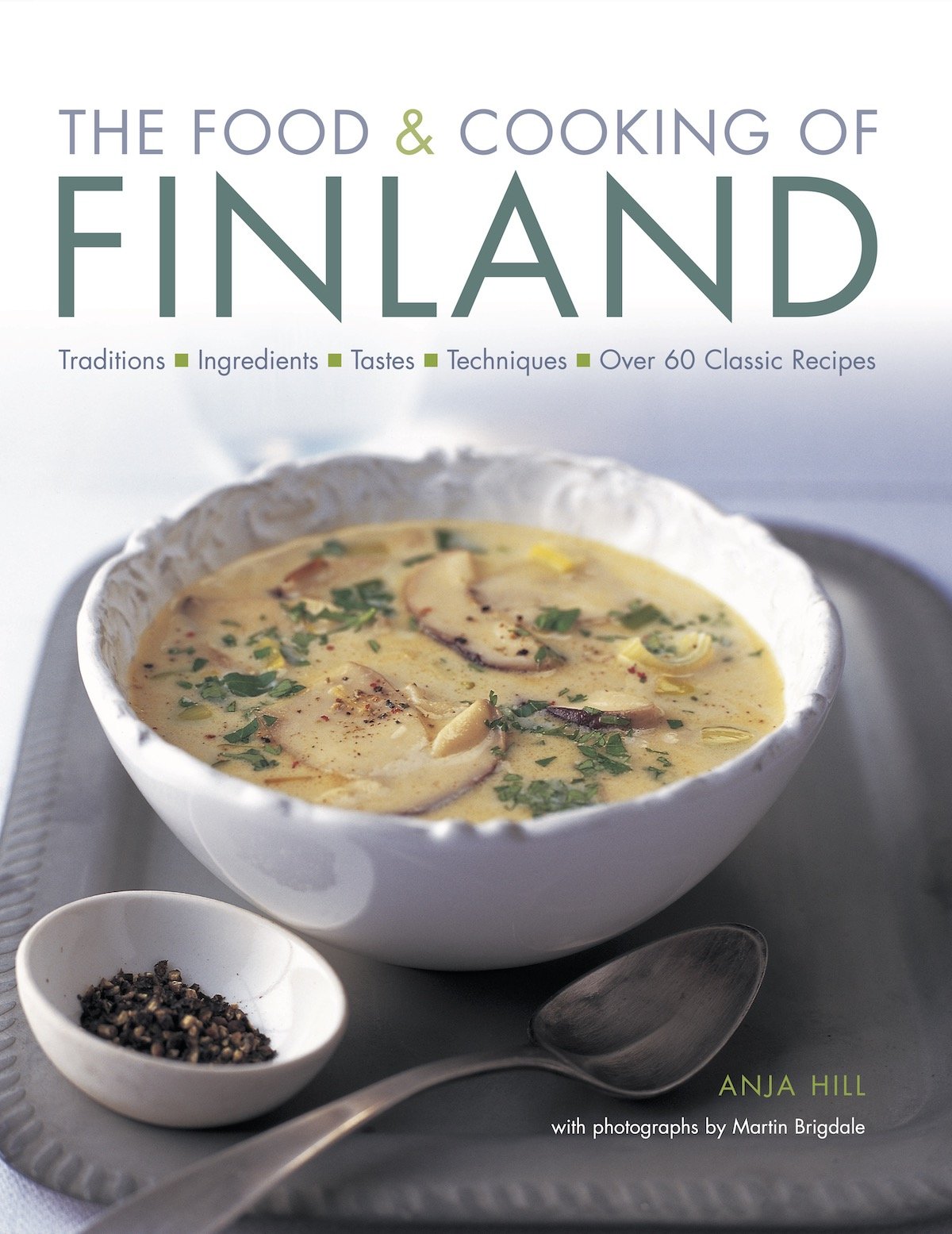
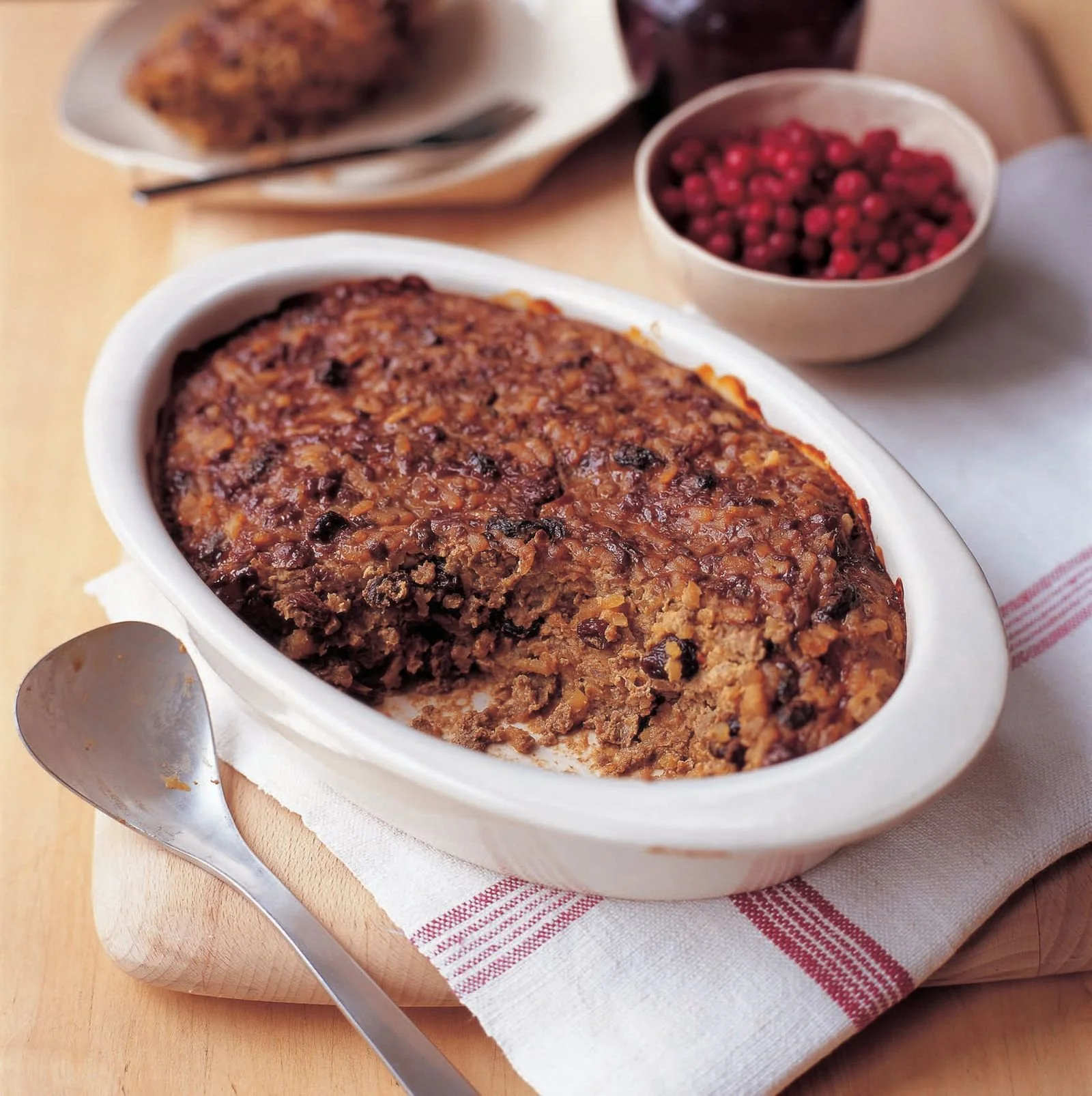
Anja is the author of The Food and Cooking of Finland, another ckbk addition and a book that reflects the clean, restrained flavours of Nordic cuisine. Hill speaks fondly of dishes like Maksalaatikko, a rice and liver casserole balanced with treacle. “It sounds disgusting, but it is delicious, giving a sort of slight bitterness that you get from cheap liver but offset by the sweetness of the treacle.”
Their partnership extends into the restaurant. “When you’re working with your wife, you have no [authority],” Hill jokes. “And I think that’s quite good for you.”
Throughout his career, Hill has remained sceptical of culinary trends. From nouvelle cuisine to Nordic foraging, he observes with interest but rarely adopts wholesale.
“There are always going to be fads,” he says. They “keep interest going,” but they are not the foundation of good cooking. His priorities are unwavering: “Flavor and texture are essential… to whatever dish and from whatever culture.”
The Legacy: quiet influence, enduring taste
At 79, Hill remains active—still cooking, still thinking, still refining. His energy may be more measured now, but his standards have not shifted.
If one dish encapsulates his philosophy, he points to the Scallops with Lentil and Coriander Sauce. “It tastes delicious—it really does work perfectly if it’s made properly.” No theatrics, no gimmicks. Just balance, clarity, and flavor.
That, ultimately, is Shaun Hill’s legacy. Not a single dish, or restaurant, or book—but a way of thinking about food. One that values honesty over invention, substance over style, and the quiet satisfaction of getting things right.
Or, as he puts it more simply: “I like things… that just seem natural.”
More ckbk features
Chef Clare Coghill shares her love of seasonal local produce from the Isle of Skye

Charlie Cart’s Carolyn Federman with ideas on how to help young cooks build the basic skills they will need
Pastry chef Luciana Corrêa with a beginner’s guide to the indulgent world of cakes